Pages

Showing posts with label winter squash. Show all posts

Monday, October 17, 2016

Seven Years: A Blogiversary Post and Squash

On October 15th 2009,  I wrote the first substantive post on this blog (although technically My Munchable made its debut on the 11th). Under that third Blog Action Day's (BAD) theme of climate change, the logical subject was growing food, having recently returned from working on a small organic farm. Since then, we have cycled through a variety of topics from water resources to human rights and equality. However, this year there is no official theme; the organizers have suggested writing on "whatever you are most passionate about". Oh, no problem, there are only like a million things I feel passionate about (ok, exaggeration...). But then two things happened: World Food Day announced its theme of climate change adaptation and this article ran in the New York Times. We've come full circle.

The article introduces Sarah Frey, a midwestern farmer who just happens to be the largest supplier of pumpkins in the U.S. But what made news is her effort to shift public perception of pumpkins from ornamental to edible, to bring variety back to winter squash. Every now and then I muse about starting a pumpkin farm. While mostly in jest (unless you know of any eligible young farmers...), this draw to growing things stems not only from the physical connectedness to the land, but also an appreciation for the beauty and necessity of diversity among what we grow.

http://ngm.nationalgeographic.com/2011/07/food-ark/food-variety-graphicSo I wanted to spend the rest of this post talking about just that - the vast potential of we can grow. According to the UN Food and Agriculture Organization, over 250,000 types of plants have been document to grown in agricultural systems, yet a mere 3% are actually in use today. To further restrict that, three quarters of our food comes from just 12 crops, and rice, wheat, and maize comprise the bulk of that.

Now say instead this represented the collective expanse of wild plants and animals on the planet, and you were an ecologist or a conservation scientist. This would be tragic; people would be outraged that so much biodiversity had been allowed to ebb away. On one hand, this means the loss of considerable genetic diversity, reducing the chance of traits and mutations that might better suit a shift in climate or ecology. On the other hand, a focus of breeding efforts and training on just a handful of crops has probably contributed to the erosion of local diets. In some cases this has improved nutrition and reduced the prevalence of undernourishment related ailments (e.g. vitamin A deficiency and blindness), but in many instances this is leading to homogenization of diets. Our ubiquitous staples also seem to have very particular requirements in terms of optimal growing conditions - water, nutrients, etc. - that make them not-so-very adaptable to inter-annual variation and change over time.a

Wayward cabbage among squashes at Borough Market
So if we're talking about agriculture and climate change, a lot of the arguments around maintaining biodiversity go back to resilience theory - building redundancy into agriculture as an insurance mechanism. But back to the pumpkins. These thick-skinned orbs are not exactly at the heart of food security; yet it's hard to imagine the beauty of diversity more evident than in this collection of colourful cucurbites. While relegated to three species, the hundreds of varietals of Cucurbita maxima, moschata, and pepo span all sorts of shapes, sizes and shades. In the grocery store you may see only the typical butternut, acorn, and occasional spaghetti (unless you're in Oz, and Kents and Blues seem particularly prevalent), as with so many food crops the industry has downsized and streamlined. But pumpkins may also be at risk due to climate change. Perhaps we shouldn't let diversity slide too far; a little nudge from consumer demand may go a long way.


Finally, with Halloween only a couple of weeks off, it's also important to make sure your pumpkin doesn't contribute to climate change! Make sure to compost the remains...or better yet, cook it up before it goes off.

Read Previous B.A.D. Posts
BAD 2011: At What Cost?
BAD 2010: Water


Saturday, November 28, 2015

The Power of the Kitchen

This is the third Thanksgiving in a row (and the fifth in total) I've spent outside the US (and won't be the last). It's by far and away my favourite American holiday, but not because of what it historically represents (as John Oliver reminded us) or the endless Black Friday sales fueling our consumer habits. But rather because it is a perfect opportunity for reflection and taking stock of the good fortunes in one's life. But it's also a really conducive time for social critiques - like on income disparities in That Slice of Pie last year or the refugee and terrorism hysteria plaguing the media now. This year, I've been spending some time in communities experiencing food poverty, and have only fully begun to realize the power of having a kitchen.

Oxford is a strange place, though not unique in this respect. Amidst the elevated intellect and apparent wealth, there is considerable poverty and even homelessness. Where Oxford University colleges host lavish formal dinners, there are people on the fringes of the city who struggle to access food at all. In fact, it's estimated that nearly one quarter of children in Oxford live below the poverty line! But, what surprised me in chatting with people at food surplus distribution points (e.g. food banks) is that obtaining basic ingredients is not always the problem, rather a place to store and cook it is. Fuel costs - electric, gas, or even coal/wood on boats - or lack of facilities are major issues.

So now we come to appreciation of kitchens. Thanksgiving was just two days ago, and on that holiday food happens to be a cental fixture, a force that draws families together. And while a solid 10% of Americans will go for something other than a home-cooked Thanksgiving dinner, gathering in the kitchen is still an important piece of the pie for many of us. In my observations, the kitchen is where the best socializing happens, where people flock to during parties and get-togethers despite more open space elsewhere. It just goes to show the power of a kitchen, and how it can also be an agent not just for eating fresh and healthy foods but also building community and social cohesion.

One of the men I spoke with during this project couldn't afford fuel to cook or a friedge to store perishables, or even food at times. And yet, his eyes lit up at the prospect of using a communal kitchen to prepare meals for anyone who needed. Generosity in the kitchen, from someone who has so little, is very telling. Sharing food fulfills a hunger that eating along won't ever satiate. I probably take a home-cooked meal for granted, and perhaps don't fully grasp the great fortune of having shared meals among friends on a regular basis. It is especially important to remember on days like Thanksgiving that this is not the case for everyone, and the absence of a kitchen has more resounding consequences than merely the loss of hot food.

There's some food for thought. Now go appreciate your kitchen and make some pumpkin pie!

Wednesday, December 31, 2014

One Hodge-Podge of a Year

Well boys and girls, it's that time again. The count-down has begun; the hours are ticking away. 2015 is only just around the corner. Looking back at last year's recap of 2013 just reinforced how every minute, every hour we spend living our lives, is integral to the people we are and will become. Not to sound too trite on the eve of a new year, but if not now, when? This time last year I was just beginning to question whether it was the right decision to come out here and rejoin the ranks of indebted young people in higher education. While I can't say those doubts have disappeared, I've come to terms with the uncertainty embedded in any decision. And it's not the choices themselves that dictate our futures; but rather we dictate our choices that illuminate paths we might be able to travel down. Could this current path be easier? Sure. I don't believe I have ever worked so hard, and in so many ways, before in my life. Yet that is part of the journey. To be fair, I would not not trade any of my hodgepodge of experiences this past year. So enough introspection, let's reminisce!

This year started out pretty wet, with record floods in the UK. Unfortunately, drought was concurrently wreaking havoc in California, a dry spell that continues to this day, leading to concerns that this may be a new normal rather than a severe extreme weather event. I seemed to have a thing for equality in 2014, and not just for inequitable water distribution. The 5th assessment report of the IPCC came out and we started talking about the differential impacts of climate change across the globe. 2014 marked the third year of living below the line for a week in May, this time on the UK equivalent of the poverty line at £1 a day (which, believe me, in Oxford is no small feat). Blog Action Day in October followed a theme of 'Inequality' and spurred a post on how women in Ghana are combating inequality in farming. And apparently Thanksgiving is now a time to think about wealth distribution and income gaps.

While no farm will ever replace Country Pleasures in my heart, I did settle into a routine working most Saturdays at a local farmers market. That meant blog posts waxing on about the 'dirt under my finger nails' and finally a day out on the farm playing with lambs and remembering why I love hanging out with farmers. My infatuation with winter squash came across strongly this year, and hasn't waned in the slightest (should I start a support group?). There was talk of seed saving and pumpkin pie. We were selling this funny-looking Black Futsu at market one week. And this Halloween surfaced some discussion about pumpkins and food waste (during the most exciting of Pumpkin Festival weeks!). I may also be harbouring a couple of buttercup squashes in my room.

On the (more) personal side of things, I did a bit of extracurricular wanderings to Malta (where I saw really old buildings), a Canary Island (where we saw old landscapes), the Pyrennees (where we saw our own dwindling food supplies), and Croatia (where I saw my baby sister after 2.5 years apart). Spring came, along with examinations (I passed!). I got older (28, yikes...) and My Munchable Musings did too (celebrated its 5th)! Not to mention, this was my 15th meat-free year (well worth a read).

But as I wrote last year, for all my good intentions I just can't seem to keep a consistent routine on the blog since coming back to school. This current academic stint comes to a close in September 2015, so look out for next year's recap to hear about adventures to come!

Past Recaps:

Thursday, November 13, 2014

Smashing Pumpkins

It's pretty cathartic - taking a sharp-edged shovel and transforming an orange orb into a sloppy mess. Don't fret, as I have not become an All Hallow's Eve vandal. Rather, that's what it takes for a pumpkin to join a compost heap. Ghosts and gobblins are not the only scary thing about Halloween; the food waste statistics are also pretty frightening. Last year, 18,000 tonnes of pumpkin were tossed in the UK post-Halloween. While UK households have actually made good progress in cutting food waste, this is still a hefty loss of often quite usable produce. In my book, any edible winter squash landing in the rubbish is a crime against humanity and the planet.
Let's return to the smashing of pumpkins. With the wisdom of a Master Composter, Oxford's first ever Pumpkin Festival concluded with the preparation of half disintegrated jack-o-lanterns for the's compost heap. The goal of the festival was to raise awareness around food waste and to save pumpkins from ending up in a landfill. In the UK, US, and Europe, we produce around twice as many calories necessary to feed the populations, and yet between one third and half of that never makes it to our forks (maybe to our plates...).
To me it's incredible that in this technologically-advanced day and age, so much low-hanging fruit of systematic efficiency are left unpicked, waiting to fall into a rubbish bin. Partly this is a behavioural issue - Human behaviour, especially related to something perceived as very personal, is notoriously difficult to influence. Yet, small modifications - like reconceptualizing the 'use-by' and 'sell by' dates - could shift how people act. A WRAP report noted that over 1 million tonnes of food is thrown out in households because a product has reached its "Best Before" or "Use By" date, cited by at least 1/3 of the UK study participants as the primary reason behind disposing of a product. Confusion over the actual meaning of these labels, and not using common sense about the state of a yogurt tub or a box of biscuits, seem to be root culprits. Marketing and advertising, improper food storage, and cooking too much also play prominent roles that account for the ghastly amount of waste on the consumer end.
Yet practices by institutional actors contribute a considerable slice to the food waste pie. An aesthetic perception, the ingrained mentality that beautiful is better, results in rejection of fruit and vegetables that don't meet stringent size, shape, and appearance standards by market retailers. According to the Institution of Mechanical Engineers, 30% of produce is never even harvested for this very reason! Gleaning, anyone? If Tesco is any indication of grocery's importance, its announcement last year that almost 30,000 tonnes of food was wasted in just six months (with veg and bakery comprising 2/3) shows the state of play. It's a fine line to walk, but the retailers are starting to address the balance between reducing waste of food and money, and ensuring that there is adequate food and variety for an increasingly demanding consumer.
At the end of the day, a landfill destination for organic material is such a tragedy because it is largely avoidable, and where it's not, it can be returned to the ground from whence it came (in the form of compost...). I think it's important to add the caveat, that if impact on greenhouse gas emissions or energy use is your primary concern, in the food system methods of cooking and storage, as well as production, are probably of more interest. Perhaps that's why it's important to keep a systems perspective, with people working on all pieces of the puzzle.

Thursday, March 27, 2014

Frugal Foodie on a British Pound: A Little Extravagance

http://www.gardenbetty.com/2012/10/black-futsu-squash/
How depressing. We are already a few days into spring, but the weather has taken a turn reminiscent of winter. When the cold and rain refuse to go away, it is often better to embrace the dreariness whole-heartedly. In my book that means winter squash. Consumed for probably close to 10,000 years (at least in the new world), the winter squash's ability to store well made it a dependable source of sustenance, beta carotene, and (dare I say it) a small slice of happiness. But the banality of winter veg, even those as beautiful as pumpkins, becomes trying towards the end. To avoid lingering winter blues, I decided to branch out and indulge just a bit.

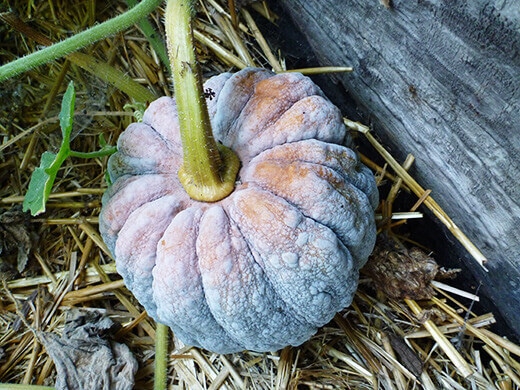
Enter the Black Futsu. This Japanese squash - Curcibita moschata - is known for its dark, almost black, green skin that progresses to chalky tan as it matures. Now this is not your honey-sweet delicata or the dense and comforting buttercup. But rather, the rough-skinned vegetable has a high moisture bright orange flesh, that quickly softens to tenderness, and hints at kinship to the butternut (which is actually the same species...). And though it is considered an "heirloom" variety, the actual date of naisance appears tragically difficult to pinpoint.

That's all well and good, but trying out a new variety of winter squash doesn't seem like much of an indulgence! But pumpkins have this amazing way of reaching a level of richness. Steeped in a mix of warm and exotic curry spices with decadent coconut milk, a little bit of extravagance goes a long way (no, seriously, don't add too much coconut milk!). Perhaps my starving student status has set my standards pretty low, but this might just be where frugality meets luxury.

Curry Me Pumpkin
1 small onion, diced
1 cup dry butter beans, soaked overnight
1/2 cup red lentils (not black or green...)
2 1/2 cups water or vegetable broth
1/2 cup coconut milk
2 cups cubed pumpkin (I used half a black futsu, but a butternut or red kuri would work nicely as well)
2 cups spinach (can use kale, but cut back 1/2 cup)
1-2 tbs curry powder
1 tbs tomato paste
Salt to taste
1/2 cup raw cashews (optional)

1. Heat a little oil in a medium saucepan over medium high heat. Sautée up the onion until slightly translucent.
2. Add water and bring to a boil before starting the beans. Cook covered for about 25 minutes. Toss in pumpkin after ten or so.
3. Then slip in the red lentils, curry powder, coconut milk, salt, and tomato paste. Let simmer another ten minutes, after which the spinach can be added.
4. Turn off burner and keep covered for another ten minutes while the spinach wilts and the lentils finish disintegrate and thicken the curry (add cashews at this time if desired).
5. Serve warm over rice or quinoa. 

More pumpkin and curry desires? SOUP! Posting to Wellness Weekends (after a long hiatus)...

And don't forget, this is the lead-up to Live Below the Line at the end of next month! Consider donating to the Rainforest Foundation, helping to maintain the rights, traditional knowledge, and food security of indigenous peoples.

Tuesday, February 18, 2014

Frugal Foodie on a British Pound: A Seed Saved is a Seed Grown?

We live in a pretty funny world. One in which companies, big ones in fact, can obtain the intellectual property rights for a piece of the natural world. But sure, their scientists may have happened across a certain plant gene first or had the resources on hand to submit the patent application (this is even more true for genetically modified organisms...). We also live in a world where most of the seeds farmers plant (particularly in developed countries) does not actually produce a second generation of viable seeds. You might as well just toss them in the compost heap. 

Why sell these 'hybrid' seed varieties, then? Through controlled 'field trials', laboratory-like settings of cross-breeding, crop breeders can produce seed that yields uniformity and consistency, perhaps crops enhanced in certain favourable characteristics (super-sweet corn, anyone?). It also puts the control squarely into the hands of seed companies. In contrast to thousands of years of history, in which farmers saved the seeds of their best producing plants, this process is removed from the farmer or backyard grower. It also passes over a critical function that seed-saving performed: preserving the vast genetic diversity found over hundreds, thousands, millions of farmers' fields! This year, while planning out our backyard allotment, the importance of sovereignty over our seeds came out in catalogue perusal. We ended up ordering only non-hybrid seeds with the grand aspirations to contribute to, rather than detract from, crop diversity. 

Now, I bring this up in my frugal foodie segment because saving seeds, and actually being able to cultivate a next generation of crops from them, is critical to the livelihoods of many of the poorest farmers in the world. While there is much talk around generating "improved varieties" or genetically engineering traits favourable to projected climatic shifts, there seems to be little talk over what adopting these seeds means for planting the next year or the year after. Does taking on bigger and better seeds wrest control of a farmer's future out of her hands and place them into the seed supplier's? Good question. And if anyone has an answer (or a thought), I'd be keen to hear. But for now, our little seed packet purchase was a mini-rebellion and a very practical step for a set of thrifty grad students!

Sitting on my window sill, furthermore, is a plate filled with drying winter squash seeds. The beauty of saving is that favorite varieties (in this case buttercup squash) are at our disposal. And, hopefully come next fall, so will be some fabulous winter squash pie! Here is my standard vegan pumpkin pie, with pretty consistently tasty results, and at times the ability to win over even ardent butternut squash haters.

Classic Winter Squash Pie (1 9-inch round)
1 medium butternut (or firm and dense fleshed squash - like buttercup or crown prince!!), quartered, roasted, skinned, and pureed (so about 2 1/2 cups) 1 cup full fat coconut milk (or almond milk)
2/3 - 3/4 cup golden granulated or turbinado sugar 1/3 cup cornstarch 1 tsp. vanilla extract 2 tsp. ground cinnamon 1 tsp. ground ginger ¼ tsp. ground allspice (optional)
1 tsp light molasses (optional)

1 deep-dish pie crust (you can try a gluten-free one)

0. Take your winter squash and chopped it into quarters or slightly smaller. Place in a greased or lined baking dish and pop it into a preheated oven (~200C). Bake for 35-45 minutes, turning over once halfway through, until the flesh is melty and the skin wrinkly. Yum. Do not consume yet!!

1. Blend squash flesh after it has cool for ~15 minutes. Add in all remaining ingredients barring the crust. Yes, it is really that easy. Keep going until you have reached a smooth consistence. Test the flavor; if you don't have a huge sweet tooth, make sure to start off with the lower measures of sugar.

2. Stick the unbaked pie crust into the oven while it preheats to 180C (~375F) and you prepare the filling. When ready, pour filling into the quasi-warmed pie crust. You may have extras that can be baked in ramekins for tasty pumpkin puddings! Replace pie in oven and bake for another 30 minutes until crust starts to brown. Top of pie will look firmly set and maybe even a little browned, as well.

3. Remove from oven. Allow to cool completely. Refrigerate overnight. This is important. It is much better and much firmer if allowed to rest. Serve with some coconut whipped cream or some vegan ice cream!

Check out: a much better explanation on why NOT hybrid seeds!

Monday, January 20, 2014

Frugal Foodie on a British Pound: Lost in Translation

It dawned on me only recently. For the longest time, I could just not figure out what swede was. Did it refer to the Scandinavian people (I'm sure in some contexts it did)? Perhaps it was shorthand for a posh pudding, like Swedish rolls? And then one day, while helping with a veg stand at market, I commented on the beautiful rutabaga. The what? Ah yes. Rutabaga. Such a distinctly American word (with roots in the Swedish rotabagga), that of course there must be a softer term used across The Pond. Swede is this cabbage relative's preferred name in England, Wales, Australia, and New Zealand, though yellow turnip sometimes wins out. We all could just go by the scientific name, Brassica napus rapifera (a cross between cabbage and turnip).

This (often quite large) root seems prevalent in mashes and roasts. However humble, this veg played a central role in food security in northern reaches of Europe (in fact, there is a whole institute devoted to the rutabaga)! Swede predates potato as a staple in Ireland, Norway, Sweden, and Finland, thought to have originated in Scandanavia and first described in the early 17th century. By the early 19th century, it had also reached North America and was prevalent throughout England. It can grow in rough and cold climates, providing an essential dose of vitamin A and C, as well as important nutritious fodder for livestock.

Considering swede's history characterised by humble origins and economy, I thought that it rightly belonged in a student's budget. It is dense, keeps well, and with roots (haha...) in peasant subsistence, comes pretty cheap. Combined with two of my other winter mainstays - potatoes and pumpkin - rutabaga serves as a satiating light supper or side dish.


Swede Baby Cakes
1 medium rutabaga, grated
2 medium purple potatoes, grated
1 cup winter squash, grate (I used buttercup)
2 tbs arrowroot or flour
1 tsp salt, to taste
1 tsp cumin, to taste
1/2 tsp cinnamon (optional)
1-2 tbs olive oil, for cooking

1. Mix together all ingredients in a bowl. Pressing down, turn bowl sideway and let some liquid drain out.
2. Heat oil in a skillet over medium-high heat. Drop a piece in; when it starts to sputter the oil is hot enough. Taking about 1/8 of the mixture, form a patty, flattening between your hands. 
3. Place in the skillet and allows to cook for about 5-8 minutes, checking that there is a nice golden color before flipping. Repeat on the other side. Remove once both sides are browned, plate, and serve with applesauce or something lovely like that.

Need more ideas for swede? You can also honey-roast it, mash it with carrots, add chickpeas and casserole it, or even turn it into a curry!
 
Back into the swing of things, check out more healthy bites on Wellness Weekends!

Monday, March 25, 2013

What's Cooking? Freedom!

A long time in the works, a coworker and I had quite an evening this Saturday making vegan ravioli. We made the pasta dough from scratch, and then concocted three fillings - butternut squash with cashew ricotta; pumpkin shallot; and garlicky kale with the same cashew ricotta. After four hours of slaving away over cutting boards and stove tops, we successfully crafted over fifty quite hefty pocket pastas! This seemed a fitting conquest for the weekend considering that Passover begins tonight, and I will be without grain products for seven days.

Now for the past few years, you have heard bits and pieces about Passover - one of the three major Jewish harvest festivals and also one of my personal favorite holidays. Besides the sort of practical aspect of Passover being tied to agriculture, it is at its core a celebration of freedom from oppression. It is a time to be thankful for the freedoms we have in our lives, but I also think it an apt time to contemplate those who still suffer from a lack of freedom. There are many types of slavery even today. And for many it is not indentured servitude or trafficking of child labor, but rather poverty that enslaves about one billion people.

Ok, you're probably thinking that I'm being a bit melodramatic, but the link is pretty strong between poverty, hunger and malnutrition, and reduced opportunity to improve one's lot in life. This is particularly clear with women in developing countries, who often don't have access to the resources or standing that men have in communities. Yet, when these women are provided the support and assistance, it is more likely that their children will also have better health and schooling, and eventually the opportunity to climb out of the poverty trap.

This leads me to a quick for the Live Below the Line Challenge, which I will be undertaking for a second year this April 29th - May 3rd. In order to raise awareness and challenge the way people think about poverty, participants subsist on $1.50 per day. At the same time, we commit to raising funds to help bring people out of this debilitating poverty. In my case, this will go to the Rainforest Foundation, an organization with the mandate to protect the rights to land and resources of indigenous people in Latin American tropical forests. The foundation works to improve both the communities' livelihoods as well as the health of the ecosystems. If you are curious to learn more about my motivations, read last year's post and please consider contributing to this important cause. Maybe Hugh Jackman can convince you!


Now for food...

Roasted Butternut Squash Spread
1 small butternut squash, cut into eight parts
1/2 onion, quartered
Olive oil to coat pan
Pinch salt

1/2 lb raw cashews, soaked 8-12 hours
1 tbs lemon juice
2 tbs non-dairy milk
1 tsp salt
1 tsp nutritional yeast
Water to consistency

1/2 tsp orange zest 

1. Roast squash and onion with olive oil and salt in a glass pan, at 400F, for about 45 minutes until really soft.
2. Meanwhile, place cashews, lemon juice, milk, additional salt, nutritional yeast, and 2 tbs water in a food processor until a ricotta-like consistency is reached. Add water 1 tbs at a time until this is achieved.
3. Once squash is fork-tender, scoop out flesh and add, along with onions and orange zest, to the food processor. Puree until combined and smooth.
4. Use as a filling for ravioli, a dip for vegetables or crackers, or thin with a non-dairy milk and use as a creamy pasta sauce!

Making an appearance on Wellness Weekends and Slightly Indulgent Tuesdays. Also, take a look at last year's post on Passover and gleaning remnants from harvest!

Monday, January 28, 2013

What's Cooking? Baked for Breakfast

The cold, dark mornings of the winter make it excruciatingly difficult to crawl out of bed in the morning. It snowed last week, was cold and rainy today, and yet Thunderstorms are supposed to accompany nearly 70F temperatures on Wednesday here in DC. So while cold and dark is one thing, not being able to adjust to such rapidly shifting temperature and pressure systems is quite another. 

And it's not just the eastern seaboard of the U.S. that is experiencing weird weather. Snow is covering Israel, Syria, and parts of the Middle East. High northern latitudes, such as Greenland and Alaska, have beat out temperatures this winter in the southern United States. And this may seem like dubious news for climate change proponents, it is in fact not at all out of line with the expectations of more extreme and variable weather patterns. So as bizarre weather patterns start to get us all thinking more about what a planet under a shifted climate regime would look like for us, it's still cold and miserable here. This morning menu item, with classic winter squash and toasty warm outs, is what got me out of bed this morning!

Pumpkin Breakfast Bake

1 pie pumpkin, cooked, pureed, drained
14oz silken tofu
1 tbs maple syrup
1 tsp powdered stevia concentrate
1 tbs cinnamon
1 tsp baking powder
1/2 tsp salt

1/2 cup multi-grain oats
1/4 cup almond milk
2 tbs agave nectar
1 tsp powdered stevia concentrate
1 tbs coconut oil, melted
1/4 cup flaked coconut
1/4 cup pecans, chopped (optional)

1. Combine oats and almond milk in a bowl. Allow to sit until all the liquid is absorbed.
2. Puree pumpkin, tofu, maple syrup, stevia, cinnamon, baking powder and salt until smooth. Pour into a casserole dish.
3. Mix together oats and the rest of the ingredients. Sprinkle on top of pumpkin mixture.
4. Bake in a 350F over until top browns and a knife when inserted comes out clean. Serve warm!

Monday, January 14, 2013

What's Cooking? Nature's Spaghetti

As half Italian, I almost feel like I have a duty to make and consume pasta. Now, I don't really eat pasta very often, and even less frequently spaghetti (don't worry, olive oil and crusty bread is a different story). But it is really a very versatile staple food item, to which you can add just about any vegetable for a fun or interesting meal. So what is a girl to do in this situation? Luckily, I picked up a goodie at the farmers market...enter winter squash.

Cucurbita pepo, the spaghetti squash, is not your typical pumpkin in that once cooked, the flesh becomes stringy and spaghetti-like. In exploring this peculiar veggie a bit further, I discovered that it was developed in Manchuria, China during the 1890's. Introduced in the US in the late 1930's, it didn't find much popularity until World War II, and then not again until the 1960's. (Check out the timeline at the very end of this article). But it would not be the historical element that draws people to spaghetti squash. It can be a nutritious alternative to pasta if you dress it up with marinara, and has a really subtle flavor so that you can have a lot of fun with different ingredient combos. Here's what I did last night:

Spaghetti a la Pomodoro e Cavoletto
1 spaghetti squash, cooked and gutted
3/4 cup sundried tomatoes (I had some preserved from the summer!)
15 Brussels sprouts, quartered
1/4 cup nutritional yeast
1/4 cup olive oil
Salt to taste

1. Roast Brussels sprouts tossed in 1 tbs olive oil and salt to taste in an oven at 375F, for about 15-20 minutes. 
2. Meanwhile, mix sundried tomatoes and the rest of the olive oil. Once sprouts have roasted to tenderness, remove. Sprinkle the scooped out squash with nutritional yeast and then toss with olive oil, sprouts, and tomatoes. Add salt to taste. 
3. ENJOY!

Want more tasty morsels? Check out Wellness Weekends, and below are a few more spaghetti squash recipes:

Monday, December 31, 2012

Best of MMM: New Year, Empty Fridge

Happy last day of 2012. I thought I would end a year as it began, with the tasty winter veggie curry recipe that started out my 2012. Happy Old Year, and see you in 2013!
First of all, happy 2012! To a fantastic 363 days that stand ahead of us. You were probably expecting some new produce item or an elaborate meal concocted for New Year's Eve. However, after a busy week and a bare bones farmers market this morning, I have been left with a pretty darn unexciting refrigerator.

I have been waiting for my chance to make a coconut milk curry, and working from home today provided the perfect opportunity! So I rummaged through the fridge for whatever had been left from last week's produce exploits (or rather, the week before...), in order to make a warming dish for cold winter night. Though, it has been unseasonably warm here this weekend...cherry blossoms, anyone?

Kitchen Sink Curry
1/2 medium butternut (or other winter) squash, cubed (bite-sized)
1 cup cauliflower, cubed
1 carrot, chopped
1 apple, chopped
1/2 onion, diced
1 clove garlic, minced

1 cup lite coconut milk
1/4 cup plain soy or almond milk
1 tbs curry powder
2 tsp garam masala
1 tsp cinnamon
1/2-1 tsp salt

1 cup cooked mung beans
Olive oil for sauteing and roasting

1. Roast cubed squash in a greased glass dish at 400F for about 30 minutes, until soft.
2. Meanwhile, cook onions in an oiled skillet, until translucent. Add garlic, carrot, and cauliflower. Continue to cook until carrot just tender.
3. Add milks, spices and salt to taste, squash, and mung beans. Let simmer for about 15 minutes, but that let sit for another 30 or so to let the flavor meld! Perhaps it will be even better tomorrow...

This puppy is sneaking into the first Wellness Weekend of the year!

Sunday, November 18, 2012

What's Cooking? A Smoky Soup

Thanksgiving is this week. Some of you may know that this is my favorite holiday. Why, you might ask? Well, as I've voiced before (and you should really go read this, because it's pretty good!), Thanksgiving is the quintessential American harvest holiday. It celebrates everything a locavore loves - the season's best in edibles. It's a holiday where we can cease lamenting the lack of summer fruits or the spring weather, and can appreciate the beauty of late fall, when the weather becomes crisp and the leaves have just fallen. If at no other time, this is the perfect point in the year to be mindful of your food choices, giving thanks back to both those who spend their lives growing your food and to the environment that has an amazing resilience in supporting our agriculture.

For me, Thanksgiving also has another significance. It marks my 'vegeversary' (sure, why not?). This year, I hit my thirteenth year without meat. Yes, half my life now. And similarly, it is the fifth year mark of an on-again/off-again vegan lifestyle. Because food and diet are such a large part of my life, this time of year becomes extraordinarily contemplative. I've spent many a blog post musing on why veg, and how eating mindfully is a way to advance my own life of living with a smaller ecological footprint. But I also think that this presents an unparalleled opportunity to be adventurous, to try something new, and to spice up any old favorites. With my usual stock of winter squashes, some beet tops, a stash of lentils in the cupboard, and a sudden turn of weather, there has really been only one food group on my mind...

Smoky Squash Soup
1 medium butternut squash, seeded and quartered
1/2 onion, coarse chop
3 cups vegetable broth
2/3 cup red lentils
1 cup chard or beet greens (optional)
1/2 tsp Spanish smoked paprika
Salt to taste

1. Roast squash and onion in an oiled (olive, please) pan at 375F, for about 35-45 minutes until very soft. Flip halfway through roasting period. 
2. Meanwhile, heat vegetable broth until boil. Lower to medium and add lentils. Cook until soft and then turn off the stove.
3. Once squash is cooked, remove from oven, scoop insides into the pan with broth and lentils. Add onions, beet greens (optional), salt, and paprika. Puree until smooth with an immersion blender, or use a food processor/blender.
4. Serve warm with homemade croutons!

Find other comforting and healthy treats on Wellness Weekend.

Monday, October 29, 2012

What's Cooking? Halloween Edition


Many of you have been hearing about or experiencing the storm making its way around the Northeastern Seaboard. To be honest, I'm mainly worried about losing power and all of my lovely vegetables spoiling. But one in particular will overcome this challenge and stand in the face of an imminent threat. That hardy crop is none other than the winter squash, the sugar pie pumpkin!

So as I was market yesterday, during the oh-so-dreary calm before the storm, all I could contemplate was how much I longed for a cozy chair, a warm cup of team, and a comforting baked good. Ok, that's not entirely true, but I was extremely excited to start using some of the abundant winter squashed. And being so close to Halloween, it just had to be a pumpkin.

Dark and Stormy Night Pumpkin Muffins (yield 12 muffins)
1 medium sugar pie pumpkin, roasted, scooped out and pureed
1 cup apple cider
1 cup sugar
1 tbs molasses
1/3 cup vegetable oil
1/3 cup olive oil

1 tbs cinnamon
1 tsp all-spice
1/2 tsp ginger
1 tsp salt
1 tbs baking powder
1 1/2 cups whole wheat flour
1 cup rolled oats
1/2 cups pepitas/pumpkin seeds
1/2 cup chocolate chips (optional)

Coconut Cream Whip
2/3 cup coconut cream
1/2 cup sugar
1/4 cup arrowroot powder 
1 tsp vanilla extract

1. Mix pumpkin puree, cider, sugar, molasses, and oils until smooth. Add in spices.
2. Combine dry ingredients until just coming together. Spoon into muffin cups. Bake at 350F for about 30 minutes, until a knife comes out cleanly.
3. Meanwhile, place sugar and arrowroot in the blender and whiz until a powder. With a hand mixer (or powerfully with fork and arm), whip up coconut cream, sugar, and vanilla until fluffy. 
4. When muffins are done, let them COOL COMPLETELY! Coconut whip will melt otherwise. Then you can add some whip to the top, and enjoy!

Two more days of Vegan MoFo (and October 2012), yikes!

Sunday, October 14, 2012

What's Cooking? MoFo Chopped!

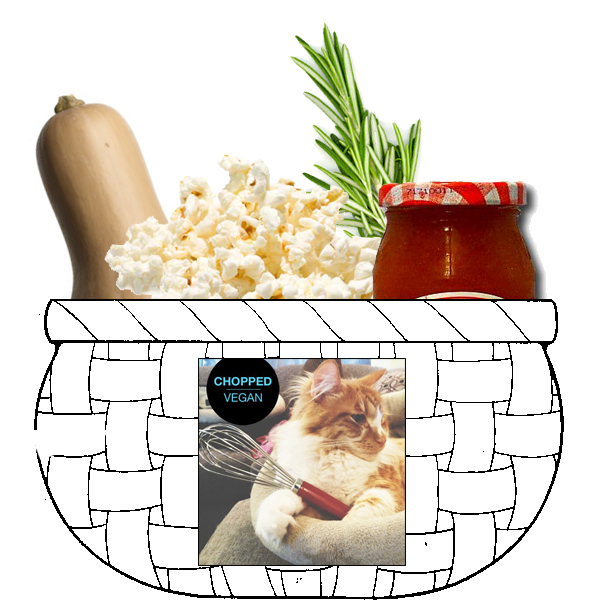
Sunday evening is not my usual blog posting time. But this week's Chopped/Vegan Brunch Round was too tempting to pass up (and tomorrow is the deadline and Blog Action Day). This game is fun. We're given a meal and four ingredients, and then set free to design a dish. Judged on perceived taste and presentation (drat, I wish I had some natural light for my photo), the dish may also include other ingredients. Ok, drum roll please...the secret ingredients are: butternut squash, popcorn, rosemary, and apricot jam!

So here goes, Complete Brunch, gluten-free vegan style (serves two).
Making brunch for dinner means terrible indoor lighting
 Poppin' Johnny Cakes
1/2 cup cornmeal
1/3 cup lite coconut milk
1/4 tsp baking soda
1/3 tsp baking powder
1/4 tsp salt
1 tsp rosemary, fresh, chopped finely
1 tbs apricot jam (or the wonderful apricot rosemary jam the farmer I work for sells)
2 tsp olive oil
2 tsp lemon juice
1/3 cup air-popped corn

1. In a food processor,  combine all ingredients except lemon juice and popcorn. Taste to ensure desired sweetness has been achieved.
2. Add juice and corn, and pulse five or so times.
3. Heat a little oil or non-dairy spread in a skillet over medium-high heat. Spoon batter into four circles in the pan. Cook until edges look set, then flip and press. Continue to cook until other side browns. Remove from skillet and plate, maybe top with some more jam (rosemary infused or otherwise).

Butternut Hash
1/2 medium butternut squash, grated
1 cup beet greens or chard, chopped
1/4 onion, diced
Salt to taste

1. Heat some olive oil in a skillet. Add onions and cook until starting to become translucent.
2. Add butternut squash and continue to cook for another 10-15 minutes with a lid covering to keep in moisture. 
3. Throw in greens and cook until wilted and squash is soft. Salt to taste and plate.

Tofu Scramblers
1/4 onion chopped
6 oz firm tofu
5 baby bella mushrooms
1 tbs white wine (optional)
1 clove garlic, minced
1 bell pepper, diced
1 tsp turmeric
1 tbs nutritional yeast
1/4 tsp thyme
1/4 tsp oregano
Salt to taste

1. Heat olive oil in a skillet on medium high. Cook onions until starting to become translucent, then add mushrooms, garlic, (and wine). Cook another five minutes or so.
2. Meanwhile, mash tofu, turmeric, thyme, oregano, nootch, and salt in a bowl. Add to the skillet along with peppers. Fry up until liquid has evaporated

Friday, October 12, 2012

Fifty Second Friday: Punkin Puddin

Awesome photo of a Carnival Squash from VeganYumYum Blog
Ok, fifty seconds, go! Every year, around this time, I come back to my 'Ode to Winter Squash'. Why? Because nothing says Fall like pumpkins, and nothing helps me survive a cold, gloomy winter better than the sweetness of a roasted winter squash. My first squash purchase of the year was a Carnival squash. And after a bit of a roast, it become a quite delectable, protein-rich treat.
Pumpkin Spice Pudding (sort of)
1 winter squash, diced and roasted until tender
1/2 cup red lentils
2/3 cup water
1/3 cup coconut milk
1 tbs agave nectar
10 drops stevia (or another tbs agave)
1 tsp cinnamon
1 tsp vanilla

1. Boil water and coconut with lentils. Cook until lentils are starting to soften.
2. Mash roasted squash with a fork. Add to lentils and continue to cook.
3. Once the red lentils begin to meld together, add sweetener, vanilla, and cinnamon. Cook until a nice mush. 
4. Serve warm, perhaps with a scoop of some vanilla soy ice cream...

See more tempting treats on Wellness Weekends.

Monday, March 12, 2012

What's Cooking? Not Yet Spring Stew


Ah, spring is just days away! But, today is only March 12th. Even still, the sunshine and warmth has convinced most of us that it is time to toss aside the heavy coats and break out the floral prints.

Part of me wants to revel in the glorious weather, while the other part is still wary about the impacts of such a mild winter (more on this in the coming weeks). Well, I am not yet ready to let go of winter, but there is no need for something really hearty. Enter the light sort-of wintery stew! Take advantage of the still plentiful winter squashes, while getting a good dose of the more exotic flavors, like curry and coconut. 

Not Yet Spring Stew
1/2 butternut squash, cubes
1/2 cup mung beans, dried
1/2 cup quinoa
1 carrot, chopped
1/2 yellow onion, chopped
1 cup water or vegetable stock
1/3 cup coconut milk
1 tbs curry powder
1 tsp mustard seeds
1 tsp garlic power (or you can use a clove or two of fresh)
Salt to taste
1 tsp olive or sesame oil

1. Spritz a baking pan with some olive oil, add squash and bake at 400F for 35-45 minutes until roasty toasty.
2. Meanwhile, heat oil and mustard seeds over medium-high in a saucepan, adding onion when seeds start to pop. When onions are translucent, add water or vegetable and bring to boil.
3. Cook mungs and quinoa, adding in carrots, spices, and coconut milk once both are tender.
4. Mix in squash once everything is happy. Best if you let it sit for a couple hours just to meld the flavors! Enjoy...I know I did :)

Check out more healthy recipes over at Wellness Weekends.

Friday, March 2, 2012

Fifty Second Friday: Quinoa Cake

Dear wonderful reader. stop. I apologize for the terse nature of this post. stop. It has been a whirlwind of a week. stop. Next week will be better. stop. Enjoy this Squash Quinoa Cake recipe modified to use Bon Bon Squash (a hybrid buttercup variety). stop. Have a wonderful weekend. stop.

Over and out!

(Oh, and I might just be posting my photo on Wellness Weekends ... the perfect weather yesterday made for excellent natural light...)

Sunday, January 15, 2012

What's Cooking? Squashed Again


Winter squash. Not only my favorite part of this season, but also the focal point of the Vegan MoFo Iron Chef Challenge for January. One of the reasons why winter squash are so wonderful, is that you can get them so many varieties in so many places in the U.S. I can take a jaunt down to the farmers market and pick up a butternut squash from Virginia or Maryland. Yet the U.S. has the highest level of squash imports in the world.  


It is interesting to consider the acorn squash, a hardy vegetable set up to keep well in storage, coming in from Mexico (where 95% our squash imports originate) during the long winter. And yet our whole food economy is so interconnected that it is often difficult to distinguish from where everything comes, how it is grown, and even sometimes what is in it (for processed foods, at least).

Well, enough blathering about the shortcomings of global food markets, especially on a supposedly non-soapbox day. It is just my cynicism over knowing your food before you eat it! Let's instead celebrate the use of this beautiful "bon-bon" squash I obtained from Twin Springs Fruit Farm out in Pennsylvania!

Squashed Polenta
2/3 cup dry polenta
1 cup water
1/2 medium kabocha or buttercup squash, roasted
1/2 onion, roasted with squash
salt to taste

1. Bring water and polenta to a boil, and cook until no longer grainy.
2. Puree squash and onion until smooth. Add to polenta, salting to taste.
3. Spread in a small greased glass dish. Allow to cool and serve over wilted garlicky greens.

Also check out more healthy recipes at Wellness Weekends!

Monday, January 2, 2012

What's Cooking? New Year, Empty Fridge

First of all, happy 2012! To a fantastic 363 days that stand ahead of us. You were probably expecting some new produce item or an elaborate meal concocted for New Year's Eve. However, after a busy week and a bare bones farmers market this morning, I have been left with a pretty darn unexciting refrigerator.

I have been waiting for my chance to make a coconut milk curry, and working from home today provided the perfect opportunity! So I rummaged through the fridge for whatever had been left from last week's produce exploits (or rather, the week before...), in order to make a warming dish for cold winter night. Though, it has been unseasonably warm here this weekend...cherry blossoms, anyone?

Kitchen Sink Curry
1/2 medium butternut (or other winter) squash, cubed (bite-sized)
1 cup cauliflower, cubed
1 carrot, chopped
1 apple, chopped
1/2 onion, diced
1 clove garlic, minced

1 cup lite coconut milk
1/4 cup plain soy or almond milk
1 tbs curry powder
2 tsp garam masala
1 tsp cinnamon
1/2-1 tsp salt

1 cup cooked mung beans
Olive oil for sauteing and roasting

1. Roast cubed squash in a greased glass dish at 400F for about 30 minutes, until soft.
2. Meanwhile, cook onions in an oiled skillet, until translucent. Add garlic, carrot, and cauliflower. Continue to cook until carrot just tender.
3. Add milks, spices and salt to taste, squash, and mung beans. Let simmer for about 15 minutes, but that let sit for another 30 or so to let the flavor meld! Perhaps it will be even better tomorrow...

This puppy is sneaking into the first Wellness Weekend of the year!

Thursday, December 29, 2011

Thirty Second Thursday: Squashed

A pumpkin is a winter squash, but not all winter squashes are pumpkins. Luckily, that does not preclude one from substituting a different squash for pureed pumpkin. I don't necessarily have anything against canned pumpkin, but as long as it is winter squash season, why use something that is preserved rather than fresh (ish)? So here is likely my last baking venture of 2011!

Not-Pumpkin Muffins
1 small butternut squash, roasted, peeled and pureed
1/4 cup apple sauce
2 tbs canola oil or melted coconut oil
15-20 drops vanilla liquid stevia
2-3 tbs agave nectar (can sub in 1 tbs of molasses for more of a gingerbread flavor)
2 tsp cinnamon
1 tsp all-spice
1/3 tsp ground ginger
1/4 tsp nutmeg (optional)
1/4 cup ground flax seed + 1/3 cup water
1 tsp apple cider vinegar or lemon juice

1/2 tsp sea salt
1 tsp baking soda
2 tsp baking powder
1/3 cup tapioca starch
1/4 cup millet flour
1/2 cup brown rice flour

1/4 cup chopped pecans (optional)
1/4 cup chocolate chips (optional)
1/4 cup ground coconut (optional)

1. Add water to flax and allow to sit for five minutes until thickening. Use a sturdy wooden spoon (I mean, what else?!?!) to mix squash puree, applesauce, oil, sweeteners, spices and flax egg.
2. Combine flours, salt, baking powder, and baking soda until well-incorporated. Finish off with add-ins and the vinegar.
3. bake in muffin tins at 350F for 20 (mini) to 35 (regular) minutes until firm and a knife comes out clean.

Need more healthier treats? Try Slightly Indulgent Tuesdays at Simply Sugar and Gluten Free.