Pages

Showing posts with label beans. Show all posts

Thursday, January 14, 2016

Pulse of the Planet: Vital Signs for Food & Agriculture

Road-side PulseIt's a good thing I didn't make any New Years resolution about blogging more frequently; I'm afraid I would have already broken it! So let's start the new year with setting the food stage a bit, shall we?

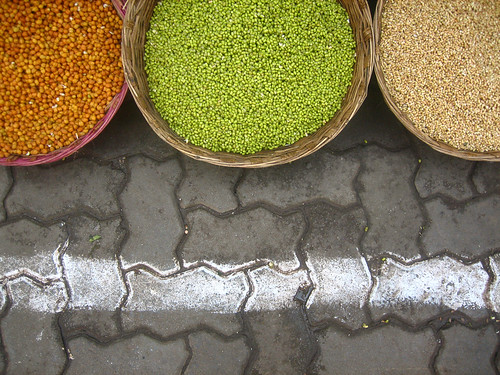
Time to get excited, kids, the UN Food and Agriculture Organization has announced what 2016 is the international year of pulses! Yes, I know it will be massively difficult to beat 2015's International Year of Soils, so foundational, with such a deep profile. (If you're laughing a bit, please continue) But, pulses are an extremely important and yet under appreciated group of crops.

Now when we say pulse, we're not talking about that manifestation of your heartbeat when a doctor checks vital signs. Though, i would probably argue that their health, vigour, and abundance are vital signs of the well being of food and agricultural systems. Agronomically, pulses are annual legumes... That's beans and lentils if we get right down to it. As you might imagine these lil' guys are important, both for feeding the masses and for maintaining healthy agroecosystems. 

Let's start with people. Beans, peas, and other lentils are staple sources of calories and protein in many developing countries. While pulses comprise only about 3% of total calories consumed in developing nations, there is a wide range and they can actually make up close to 50% of protein intake (e.g. Burindi). Because they are cheap and high in protein, percentage of total calories will be much higher among the poor in these countries. And if you take largely vegetarian societies, like those in India, pulses feature prominently in nearly every dish - from lentil daal and lentil-battered pakora to chickpea curries. Plus, let's be honest, pulses are pretty culturally iconic - baked beans? rice and beans? hummus and falafel?
But it's not just about people; pulses are crucial for the health of the planet. For one, as legumes, they have symbiotic bacteria in their roots that fix nitrogen from the air (rather than relying on humans to do that synthetically...). They are often used to improve soil fertility, planted as cover crops and green manures, and help the bioavailability of other soil nutrients while improving water infiltration. What's more, some pulses (e.g. pigeon peas) grow well where few other crops tolerate - in depleted soils and semi-arid climates. Leguminous crop residues help complete a closed looped farming system, providing idea fodder for animals.

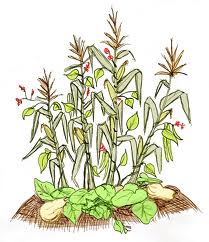
If you look at traditional and indigenous American gardens, you can also get a sense of how well certain pulses integrate into an agroecological system. The three sisters form a multi-story farming system, with squashes at the ground level as a totally killer weed suppressor, maize growing high above, and beans fertilizing the soil and climbing up the golden stalks.

If you happened to have developed a hankering for some pulsey dishes over the course of this blog post, you're in luck. They're a vegan's best friend, so I've got a few for you to give a try.
- Curry Me Pumpkin
- A Practical Pulse
- Rocket Hummus
- Roasted Corn Farrotto
- Frijoles Refritos
- Beanie Butter Blondie

Top photo credit: Meena Kadri

Thursday, March 27, 2014

Frugal Foodie on a British Pound: A Little Extravagance

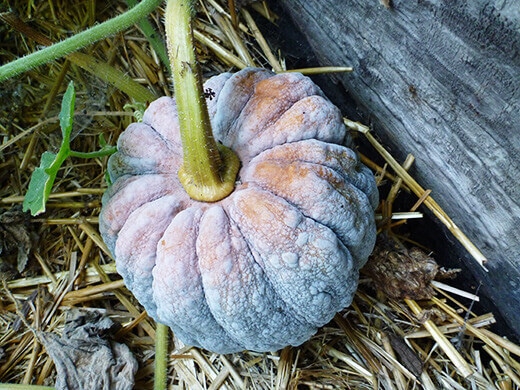
http://www.gardenbetty.com/2012/10/black-futsu-squash/
How depressing. We are already a few days into spring, but the weather has taken a turn reminiscent of winter. When the cold and rain refuse to go away, it is often better to embrace the dreariness whole-heartedly. In my book that means winter squash. Consumed for probably close to 10,000 years (at least in the new world), the winter squash's ability to store well made it a dependable source of sustenance, beta carotene, and (dare I say it) a small slice of happiness. But the banality of winter veg, even those as beautiful as pumpkins, becomes trying towards the end. To avoid lingering winter blues, I decided to branch out and indulge just a bit.

Enter the Black Futsu. This Japanese squash - Curcibita moschata - is known for its dark, almost black, green skin that progresses to chalky tan as it matures. Now this is not your honey-sweet delicata or the dense and comforting buttercup. But rather, the rough-skinned vegetable has a high moisture bright orange flesh, that quickly softens to tenderness, and hints at kinship to the butternut (which is actually the same species...). And though it is considered an "heirloom" variety, the actual date of naisance appears tragically difficult to pinpoint.

That's all well and good, but trying out a new variety of winter squash doesn't seem like much of an indulgence! But pumpkins have this amazing way of reaching a level of richness. Steeped in a mix of warm and exotic curry spices with decadent coconut milk, a little bit of extravagance goes a long way (no, seriously, don't add too much coconut milk!). Perhaps my starving student status has set my standards pretty low, but this might just be where frugality meets luxury.

Curry Me Pumpkin
1 small onion, diced
1 cup dry butter beans, soaked overnight
1/2 cup red lentils (not black or green...)
2 1/2 cups water or vegetable broth
1/2 cup coconut milk
2 cups cubed pumpkin (I used half a black futsu, but a butternut or red kuri would work nicely as well)
2 cups spinach (can use kale, but cut back 1/2 cup)
1-2 tbs curry powder
1 tbs tomato paste
Salt to taste
1/2 cup raw cashews (optional)

1. Heat a little oil in a medium saucepan over medium high heat. Sautée up the onion until slightly translucent.
2. Add water and bring to a boil before starting the beans. Cook covered for about 25 minutes. Toss in pumpkin after ten or so.
3. Then slip in the red lentils, curry powder, coconut milk, salt, and tomato paste. Let simmer another ten minutes, after which the spinach can be added.
4. Turn off burner and keep covered for another ten minutes while the spinach wilts and the lentils finish disintegrate and thicken the curry (add cashews at this time if desired).
5. Serve warm over rice or quinoa. 

More pumpkin and curry desires? SOUP! Posting to Wellness Weekends (after a long hiatus)...

And don't forget, this is the lead-up to Live Below the Line at the end of next month! Consider donating to the Rainforest Foundation, helping to maintain the rights, traditional knowledge, and food security of indigenous peoples.

Monday, November 4, 2013

Frugal Foodie on a British Pound: Reflections on Optimizing Productivity


My lofty plans for posting three days a week have mysteriously disappeared. Instead, the day has been reduced to the number of minutes available and what can feasibly be accomplished in that time (not saying how successful that has been, but the framework can be useful). So, let's say I have…

  • 15-60 minutes, then I can begin to respond to or write emails, edit an EcoAg blog post someone has sent me, maybe read a short article...but perhaps not internalize it, and you know, write lists (like this one!)
  • 10-15 minutes, that’s basically just a drop in a very large bucket. One could feasibly check email (but not respond), grab a quick coffee, say hi to a friend, bask in what little daylight there is…
  • 1-2 hours, now we’re talking. I can actually read a couple of papers or a chapter for class, perhaps sit down and write something articulate, go for a run or take a yoga class, and generally get stuff done.
  • more than 2 hours. Wow, I can ruminate on the meaning of life, luxuriate in some free space to think, and you know, bake a pie.

...now the only problem is that there are still too few hours in the day, and more importantly, too few segments of time longer than two hours. What this translates into for the blog is abandonment, slotted a fifteen minute interval here or there, and stripped of any substantive messages or discussion. Despite a neglected blog and all outward e-appearances, I am still cooking and have not yet slid into subsisting on peanut butter and carrots. Furthermore, little did I know, but someone out there has designated November as “World Vegan Month”. Move over Movember (actually don’t, prostate cancer awareness is important…); here is something tasty and vegan for a bluster autumnal day.


Fall Back Roast Veg
1 fennel bulb, rough chop

½ medium winter squash (I used Carnival), cut into bite-sized pieces
1/2 onion, sliced
1 sweet potato, cubed
1/2 cup butter beans, cooked
5-10 fresh sage leaves
3 cloves garlic, halved
2 tsp olive oil (or grapeseed)
1 tsp coarse sea salt

1. Toss veggies, sage, and garlic in olive oil and salt, and place on a baking sheet. Roast at around 180C (sorry, my oven switched units! But around 400F should be good) for 25 minutes. Fennel, onions, and garlic should be soft and a bit caramelized.
2. Throw in the beans and bake another 5 minutes. This would be a great topping for polenta or mixed into quinoa or salad. Enjoy!

Monday, October 21, 2013

Frugal Foodie on a British Pound: Smooth as Butter

There are times when I am very thankful for the time difference between my current place of residence and the region of the world where most Munchable readers are situated. This is one of those times. Instead of doing the vast amounts of reading assigned for tomorrow, I am instead sneaking a blog post at an hour decent for folks back home. So what's on the menu this week in starving student* land? 

Butter beans. Phaseolus lunatus. Or, as most of us know them, lima beans (I actually didn't know this until I started researching this post)! Domesticated back at least two millennia in the Andean neighborhood, the lil' lunatus made its way to the Old World aroudn 1500. And it actually depends where in the world you are as to whether butter and lima beans are distinct, and what are their defining characteristics. Adding to the mix of South American origin, and northern European and American consumption, I went ahead and made a pretty classic Italian dish, with a tomato sauce. Hearty, healthy, and cheap!

Fagiolo di Spagna al'Italiano (Italian Butter Beans)
1 cup butter beans, cooked from dry
1/2 medium onion, chopped
1 large clove garlic, minced
1 can chopped tomatoes
2 tsp dry basil
1 tsp olive oil
Salt to taste

1. Heat oil in a deep frying pan on medium heat. Sautee onions and garlic until fragrant and soft.
2. Add entire can of tomatoes, cooked beans, and basil. Allow to simmer, ideally covered, for 20-30 minutes, so that flavors can meld and beans can get really soft (and buttery...hehe).
3. Salt to taste and serve with polenta and a side of winter greens (eat more kale!).

Enjoy more tasty dishes from Wellness Weekend.

*No students were actually starved in the writing of this post.

Monday, October 14, 2013

Frugal Foodie on a British Pound: Efficiency

One of the economic principles often thrown around, even in everyday parlance, is "economies of scale." The idea, whether in manufacturing cars or growing food, is that once there is a system in place to produce something (let's say an assembly line for a Chevy Volt), the added cost of producing an extra unit is minimal. Those large, upfront capital expenses have already been spent, so each extra car you churn out just makes each extra car more profitable. Ok, now this is grossly simplified, and there is a point at which this concept no longer holds, but you get the idea.
So, why on earth am I giving you an economics lesson? Well, this idea holds some water when you try eating on a budget. First of all, there are the economies of scale in purchasing food. You are going to spend more money buying a sandwich everyday from a local shop than if you purchased a loaf of bread, some peanut butter (don't get me started about the UK and PB...), and a jar of jam to last you a week or two. It's also generally cheaper to purchase 2 kg of beans than 250 g. Now, if you have a short attention span or tire of the same or similar foods quickly, then skip to the end of make some mung beans.

If you are like me and don't mind reruns throughout the week, then consider how economies of scale can apply to meal preparation. I can spend an hour and a half or two cooking up some barley, mung beans, and roasted cauliflower, stow it away in Rachel-sized tupperwares, and be set for the next four days. As a student (or a busy working professional, or a parent, or almost anybody really), where other food options are dishearteningly costly and/or unhealthy, there is great utility in this. Don't get me wrong; I am fully supportive of non-economic meals, where solo or with a group, one can spend hours crafting a delicious dinner, sit down and eat at a leisurely pace. But sadly, this is not always possible in our modern society, and sometimes we just have to fall back on industrial revolution thinking.

All of this, though, is just to preface a tasty bowl of tandoori-spiced mung beans and barley, with a side of oven-roasted cauliflower! Easy meal to prep in larger quanities (this amount usually is good for 3-4 lunches or dinners for me, but you could definitely scale up). If you get bored easily, try changing this up by lining up a side veggie, topping a salad green, or adding in some vegetable stock for a soupy transformation.

A Practical Pulse
1 cup dry mung beans, soaked overnight
1 cup dry hulled barley, soaked overnight
3-4 cups water
2 medium carrots, chopped
1/2 onion, chopped
2 garlic cloves, minced
1 tsp coconut oil
3 tsp tandoori spices (mix ginger, cumin, corriander, paprika, turmeric, and cayenne in equal parts, or go fancy and try this!)
Salt to taste

1. Heat oil over medium-high in a pot. Once melted sautee onion until starting to become translucent, then add in carrots and garlic. Cook for another five minutes.
2. Add 3 cups of water and bring to a boil before throwing in the mung beans and barley. Cook covered for about 15-20 minutes, until tender, checking every five minutes or so and adding water as needed.
3. Once liquid has all been absorbed or evaporated, season with spices and salt. Serve with some roasted cauliflower or on top of a bed of kale.

Enjoy! Sub in some short-grain brown rice instead of barley, if going gluten-free. And make sure to check out other tasty meals at Wellness Weekends!

Monday, September 30, 2013

Frugal Foodie on a British Pound: Back to School Edition

Why hello! As you can see, Monday has a new title (though same great theme), to reflect my current state of starving studenthood. A couple of years ago, I wrote a post titled 'A Frugal Foodie', in which I laid out my manifesto for eating well on the cheap. As low effort as it may seem to just make rice and beans every day, there is also so much room for creativity and exploration, even on a slim food budget. Now, more than ever, that mentality will come in handy, and I'm going to take you along for my culinary journey.

One of my rules of thumb is to always opt for dried legumes. In the States you can buy a pound of black beans (a solid 6 cups cooked or 3 cans) for less that $2; similarly 500g (1.1 lbs) of garbanzos are about £1.5. Plus, you avoid all the fillers, preservatives, and salt by cooking your own. Innevitably, beans lead to hummus. The funny thing, and unbeknownst to me, is that the Brits apparently have a thing for the beany dip. An article in the Guardian noted how 41% of households  harbour some in the fridge, and it is definitely a picnic staple. 

While perhaps veering away from traditional Middle East preparation and consumption, it is still a reliable and reasonable lunch or snack. I've added a bit of greenery with some local arugula (better known as rocket on this side of the Pond) to spice things up. 

Rocket Hummus
1 cup garbanzo beans, soak overnight and then cooked until very tender
2 cloves garlic, roasted (if you have time)
1/4 cup olive oil (good quality!)
1/2 cup arugula (or more for spicier/greener hummus)
1/4 cup walnuts, raw (optional)
Juice of half a lemon
Water from the beans as needed
Sea salt to taste

Hummus is such a simple dish to make. Toss all the ingredients in a food processor (or use an immersion blender) and puree until smooth. Note that this recipe does not have tahini (a pricier ingredient), but adding some of the sesame paste would make it a little creamier. Regardless, enjoy with crackers, pita, or some good ol' crudites (e.g. celery sticks)!

Tuesday, June 25, 2013

What's Cooking: Favas and Flowers


Ever feel like fava beans and a nice chianti? OK, so perhaps an unnecessary reference to Silence of the Lambs, but fava beans are in fact quite lovely. While these leguminous pod are often deterring for those faint of heart, traditionally shelled and then blanched or boiled, some easy methods of preparing that I recently uncovered make me much more inclined to construct fava bean dishes.

The cool part about eating a fava, is that you are eating a little seed of history. It is one of the oldest cultivated beans, originating in Northern Africa, South and Southwest Asia over 8,000 years ago. And as a bit of trivia relevant to my recent expedition, these little protein-rich morsels have been credited with staving off starvation in Sicily! Even beyond nourishment, the fava has served as a form of currency and plays even to this day pivotal roles in cultural and religious traditions.

Well, I caught the last weekend of favas at market! Having never prepped the bean before (and running rather low on time), I was happy to find that my go-to method of cooking in a pinch - roasted veggies in the oven - was an acceptable shortcut to the onerous task of shelling and going from there. But there is more...my garden plot exploded in the rain and humid heat just in the past couple of weeks, leaving me with more zucchini blossoms than could find suitable pollinators. Between beans and buds, it was a good day for end-of-spring cuisine.

Favas and Flowers
10 fava pods, salted, roasted, and shelled
20 zucchini flowers (picked day-of)
1/4 onion, diced
1 garlic scape, chopped
1 tbs olive or grapeseed oil
Salt to taste

1. In a medium skillet, heat oil on medium-high heat. Add in onion, turn down to medium, and saute until beginning to turn translucent.
2. Throw in the garlic scape and continue for another few minutes. Once the outside is removed, toss in the beans and some salt. Cook for another 5-19 minutes before adding in the flowers.
3. Stir every now and then until flower has cooked down and scapes are soft. Pull of the heat, and enjoy (perhaps over quinoa, or pasta, or just on its own)!

And just remember, as you reflect upon this hearty legume, that this little world traveler has quite a past. Savour it!

We may make it onto Wellness Weekend, along with other fantastic recipes.

Friday, February 8, 2013

Fifty Second Friday: Sandwiched

I was recently reminiscing about all of the old junk food that characterized the 1990's. Yes, you read correctly, because as any child, I looked forward to the brightly colored and sugar-laden treats my mother would on occasion pack in my lunch. The mere mention of Squeezeit fruit drinks (with those twist off caps), Lunchables cheese pizzas, and Dunkaroos bring back memories of elementary school lunches. TV shows, video games, and pop songs also are fun to add to the mix, but really food is most strongly connected to memories...perhaps because it is something that is more deeply connected to our senses. 

Positive associations or otherwise, it's amazing how strongly sometimes these memories and feelings can be tied to foods of our past. As a child, it was almost like a right of passage, a badge of status, to have a bag of gushers or a hostess snack pack in your lunch. And it is never the baby carrots, or the apple slices, or even the yogurt (unless it was the neon-swirled Trix variety) cup that stands out. It's amazing to me how these priorities have become so distorted that products not even resembling 'food' feature number one on consumers' priority lists.

Now all of that said, I had this craving a couple of days ago for little cookies with a layer of creamy frosting spread on top. But unlike during my childhood, the thought of a dunkaroo was more than slightly repulsive. Instead, I whipped up a batch of slightly sweet peanut butter crackers (gluten-free) and some chocolatey white bean spread. Together, they went together quite nicely to make around 5 or 6 sandwiches.

CocoNutter Butter Sandwiches
 
PB Crackers
2 tbs smooth peanut butter
1 tbs oil (canola, safflower, grapeseed, etc.)
1 tbs agave nectar
1/4 cup buckwheat flour
1/4 cup almond meal
1/4 tsp salt
1/4 tsp baking soda

1. Combine peanut butter, oil, and agave in a medium mixing bowl with a fork until smooth. 

2. Add in additional ingredients, using more flour until the dough sticks together. Place on a cookie sheet lined with parchment or a silicone baking mat. Roll out the dough so it's about 1/4 inch thick. 

3. Bake at 350F for 10 minutes or until edges begin to brown. Remove from oven and immediately cut into rectangles or squares. Allow to cool completely.

Chocobean Cream
1 cup white beans
1 tbs creamy peanut butter
2 tsp coconut oil
2 tbs almond milk (unsweetened chocolate is best)
3 tbs cocoa powder
1-2 packets stevia (depending on how sweet you want it)
2 tbs agave

1. In a food processor, combine peanut butter, coconut oil, milk, agave, and white beans until smooth. Add in cocoa and stevia until it's well-incorporated. If too thick, add another tablespoon of almond milk.

2. Spread a layer on one of the cooled crackers. Top with a second cracker. Enjoy!

Find more fun goodies at this week's Slightly Indulgent Tuesdays and Wellness Weekends.

Monday, December 31, 2012

Best of MMM: New Year, Empty Fridge

Happy last day of 2012. I thought I would end a year as it began, with the tasty winter veggie curry recipe that started out my 2012. Happy Old Year, and see you in 2013!
First of all, happy 2012! To a fantastic 363 days that stand ahead of us. You were probably expecting some new produce item or an elaborate meal concocted for New Year's Eve. However, after a busy week and a bare bones farmers market this morning, I have been left with a pretty darn unexciting refrigerator.

I have been waiting for my chance to make a coconut milk curry, and working from home today provided the perfect opportunity! So I rummaged through the fridge for whatever had been left from last week's produce exploits (or rather, the week before...), in order to make a warming dish for cold winter night. Though, it has been unseasonably warm here this weekend...cherry blossoms, anyone?

Kitchen Sink Curry
1/2 medium butternut (or other winter) squash, cubed (bite-sized)
1 cup cauliflower, cubed
1 carrot, chopped
1 apple, chopped
1/2 onion, diced
1 clove garlic, minced

1 cup lite coconut milk
1/4 cup plain soy or almond milk
1 tbs curry powder
2 tsp garam masala
1 tsp cinnamon
1/2-1 tsp salt

1 cup cooked mung beans
Olive oil for sauteing and roasting

1. Roast cubed squash in a greased glass dish at 400F for about 30 minutes, until soft.
2. Meanwhile, cook onions in an oiled skillet, until translucent. Add garlic, carrot, and cauliflower. Continue to cook until carrot just tender.
3. Add milks, spices and salt to taste, squash, and mung beans. Let simmer for about 15 minutes, but that let sit for another 30 or so to let the flavor meld! Perhaps it will be even better tomorrow...

This puppy is sneaking into the first Wellness Weekend of the year!

Friday, November 30, 2012

Best of MMM: Of Mungbeans and Millet

Let's follow Wednesday's vein of grains, and re-examine this notion of 'orphan crops' (explained below). I added a bit of Asian flare to this post from last year, and thought it would be timely to bring it back out, considering my current location. Also, happy last day of November...
---
Wheat, rice, soy, and corn make up the majority of the crops traded on a world market and providing about one third of calories to people around the globe. While these commodities obviously play a critical role in food security, a large segment of crops remains out of the limelight, but still very much vital to allaying hunger primarily in developing countries. These edibles, local in production and consumption and neglected in the area of agricultural investment, are known as 'Orphan Crops.' To feed a hungry planet, more investment needs to go towards propagating and improving these varieties.

Millet is one of the orphan crops adapted to dry conditions. Cultivation dates back 10,000 years in Eastern Asia, and it seems to have predated rice on the Asian continent. Now, India produces the greatest quantities of millet, though it is also widely grown in parts of Africa and China. Like quinoa, this grainlike seed actually comes from a grass, and is used largely as a flour, porridge, and animal feedstock. In Taiwan you can even get millet beer, or the liquor rakshi in Nepal!

Mung Beans are another ancient crop native to Pakistan and India. Where in Asia, Africa, and parts of Latin America, mung beans are a nutritious legume for consumption in soups and curries, in the U.S. the beans are really only recognized as your salad bar sprouts! They are also ground into flour to produce cellophane noodles and are rich in fiber and protein.
Last night, I took my inspiration from the Indian tradition of Moong Dhal, a dish that is supposed to balance the three doshas in the Ayurvedic tradition. For my millet, I based my recipe on Mark Bittman's Autumn Millet Bake.

Depth of Winter Millet Madness (serves 2 - vg/gf)

1/2 cup dry millet
2/3 cup water or mild vegetable stock
1 tbs olive oil
1/2 delicata squash, quartered and sliced (no need to skin)
seeds from squash, pulp removed
2 large collard greens or lacinato kale leaves, roughly chopped
1/2 tsp cinnamon
1 tbs agave nectar
salt to taste

1. Heat half the olive oil in a sauce pan over medium heat, and toast the millet for 2-3 minutes until lightly toasted. Add liquid and raise heat to bring to a boil. Reduce heat, cover, and simmer for 20-30 minutes, check to see if more liquid is needed or desired texture has been reached.
2. Meanwhile, in a preheated 375F oven place a an oiled (with the rest of alottment) pan with squash and seeds, salted and spread evenly. Bake for 10 minutes, and then remove the seeds and let cool. Flip the squash and cook another 20 minutes until very tender.
3. Once millet is cooked - I like mine slightly toothy - add greens, cinnamon, and agave. Cook until greens are thoroughly wilted. Throw in your squash and seeds. Salt to taste. Serve with a good and nourishing dhal!

Although I might be enjoying these orphans for their nutritional benefits and overall flavor, what role do they have in an ever-consolidating world food economy? Stanford Professor (and my World Food Economy Prof!) argues that investing in these locally-adapted crops will prove to be critical to adapting to global changes and feeding the growing population in the developing world.

Monday, August 27, 2012

What's Cooking? Roasted Corn Farrotto

Another month come and gone. It's been a good two weeks since I last wrote (yikes!), which means summer has progressed considerably. We've moved from blueberry season past the height of peaches (which was two weeks early), and now there are corn and tomatoes to spare. After an afternoon canning to my heart's content, I had tomato stock leftover. This delightful risotto, made with barley (you can also use farro), employs the produce available as summer comes to an end.

Roasted Corn Farrotto
1/2 cup white beans, pureed with 1 tsp olive oil
1 ear corn, shaved and roasted
2/3 cup pearled barley, dry
1 1/3 cup vegetable or tomato stock (I used the leftover liquid from making tomato sauce)
Salt to taste
3-4 leaves basil, chopped (optional)

1. Bring stock to a boil. Add barley and cook until just about tender.
2. Combine bean puree and continue to cook another five minutes, until thick.
3. Mix in corn (and basil, if including). Serve!

Squeezing this into Wellness Weekends!

Monday, July 16, 2012

What's Cooking? Casado Vegetariano

Yesterday I landed back in the States, after an early flight from San Jose, Costa Rica. It's been a whirlwind tour - travelling to twelve different cities and towns, learning about coffee production in the Central Valley, working on my surf skills on the Pacific Coast, and traipsing around a cloud forest up north. While there was loads more to do, it was a pretty good intro to the country. And while I greatly enjoyed all of the outdoors times and even some intellectual stimulation, the food (I guess barring coffee...) was not the highlight of the trip. Yes, bananas and mangos are ubiquitous and do taste significantly better than in the States, but there is a definite inclination toward meat, cheese, and fried food. 

During my two weeks traveling in the country, I subsisted primarily off of fresh tropical fruits - lots of bananas, mangos, some starfruit, pineapple, and lychee - and vegetarian casados. Casado refers to a typical Costa Rican meal consisting of rice, black beans, fried plantains, green salad, tortilla, and perhaps a meat of some sort. This is the country's classic fare and can be found at just about any Soda or diner. It also literally means "married," and is what would be served in a Tico's home. Well, on the last J and I were in Costa Rica, at a hostel in Monte Verde, we decided to go all out and concoct our own vegetarian casado. Left over from our travels were some crumbs of corn tortillas, dried black beans, and some mini bananas that just didn't seem to want to ripen! With an onion, some garlic, an avocado, squash, and a good deal of oil, we concocted a pretty fabulous meal.


Frijoles Refritos
3/4 cup black beans, dry, soaked overnight, and cooked until tender (or 1 can)
1 tbs mild flavor oil, like canola
1 onion, diced
3 cloves garlic, minced
Salt to taste
Water to consistency (1 - 1 1/2 cups)

1. Heat oil in a skillet over medium-high heat. Add onions and cook until translucent.
2. Throw in the garlic, beans, and about 1/2 cup water. Bring to a boil and then allow to cook on a simmer.
3. Continue to add water as it boils away or is absorbed. It should take about 30-45 minutes to reach a state where it can easily be mashed. Cook longer for a smoother consistency.

Serve with rice or (homemade!) tortilla chips, fried green banana or plantain, green salad with avocado, and sauteed chayote squash (especially good cooked in a tomato sauce). Pura vida!

Check out more tasty delights at Wellness Weekends. Oh, did I mention that it's my birthday today? :) Don't worry, we'll celebrate a bit later...

Monday, March 12, 2012

What's Cooking? Not Yet Spring Stew


Ah, spring is just days away! But, today is only March 12th. Even still, the sunshine and warmth has convinced most of us that it is time to toss aside the heavy coats and break out the floral prints.

Part of me wants to revel in the glorious weather, while the other part is still wary about the impacts of such a mild winter (more on this in the coming weeks). Well, I am not yet ready to let go of winter, but there is no need for something really hearty. Enter the light sort-of wintery stew! Take advantage of the still plentiful winter squashes, while getting a good dose of the more exotic flavors, like curry and coconut. 

Not Yet Spring Stew
1/2 butternut squash, cubes
1/2 cup mung beans, dried
1/2 cup quinoa
1 carrot, chopped
1/2 yellow onion, chopped
1 cup water or vegetable stock
1/3 cup coconut milk
1 tbs curry powder
1 tsp mustard seeds
1 tsp garlic power (or you can use a clove or two of fresh)
Salt to taste
1 tsp olive or sesame oil

1. Spritz a baking pan with some olive oil, add squash and bake at 400F for 35-45 minutes until roasty toasty.
2. Meanwhile, heat oil and mustard seeds over medium-high in a saucepan, adding onion when seeds start to pop. When onions are translucent, add water or vegetable and bring to boil.
3. Cook mungs and quinoa, adding in carrots, spices, and coconut milk once both are tender.
4. Mix in squash once everything is happy. Best if you let it sit for a couple hours just to meld the flavors! Enjoy...I know I did :)

Check out more healthy recipes over at Wellness Weekends.

Monday, March 5, 2012

What's Cooking? Running with Beans

Scarlet runner beans are an exquisite example of leguminous beauty. These Oaxacan natives are a unique variety, and have been cultivated for thousands of years. Even in Europe and the United States, the bean has found a place in kitchen gards since the 1600's.

Although one of the few beans that are perennial as opposed to annual, the runner bean does not do well with frosts and cold weather, but prefers mildly warm climes. It is prized for the lovely red flowers produced, and is at times cultivated merely for ornamental purposed. Personally, I would cultivate the bean pods simply for ornamental purposes, as well!

Drunken Runner Beans and Kohlrabi Greens
1/2 cup scarlet runner beans, cooked
Greens from one kohlrabi
1/2 cup diced tomatoes and liquid
2 tbs red wine
1/2 tsp garlic powder
Salt to taste

1. Heat some oil in a skillet over medium. Toss in the greens, chopped with the tomatoes, wine, garlic powder, and salt. Cook until greens just start to wilt.
2. Throw in the beans and cook until liquid is gone. Really, that's it. Serve up and enjoy!

Further Rearding:
Heirloom Beans by Steve Sando and Vanessa Barrington

Monday, February 20, 2012

What's Cooking? Winter Blues

Spring may only be a month away, and the weather may be unusually warm, but some times the winter blues still catch you unawares. Perhaps it is a gray day, or perhaps you've hit a little blip in life. We've all been there, where it seems like nothing in the world is tilting in your favor. But oftentimes something will make the day seem cheerier.

Well, I've found my magic bullet. This peanut buttery bar cookie is actually fantastic. Why am I surprised? Well, the secret ingredient had me battling a healthy dose of skepticism...but now I am a convert (and slightly happier...an Italian farmhouse and a bowl of figs would probably do it).

Beanie Butter Blondie
1 1/2 cups garbanzos, cooked
1/4 cup peanut butter
2 tbs oil (I used peanut, but canola or melted coconut would also work)
1/4 cup turbinado sugar (or other less refined variety)
15 drops vanilla liquid stevia
2 tbs almond milk (if needed)
2/3 cup barley flour, oats, or millet meal (for gluten-free)
2 tsp baking powder
1/2 tsp baking soda
1/4 tsp salt
1/2 cup chocolate chips

1. Puree garbanzo beans, peanut butter, oil, sugar, stevia, and milk until smooth. Add in flour, baking powder, soda, and salt, pulsing until combines. Should be like brownie batter. Mix in chocolate chips.
2. Pout batter into a small, greased brownie pan. Bake at 350F for 30-45 minutes until just starting to brown around the edges and middle is set. You want it to still be a bit soft and gooey.
3. Serve warm. Consume. Repeat.

My belated contribution to this Wellness Weekends and an early addition to Slightly Indulgent Tuesdays! And a new one - Allergy-Free Wednesdays...

Stay tuned this week, as I try to make heads or tails of farmers market produce, and explore an interesting partnership in the egg industry.

Monday, February 13, 2012

What's Cooking? Brrr...

Weather in Washington, DC is funny. It can be 60F and sunny one day and 25F and snowing the next. Well, yesterday was cold. And windy. It finally felt like winter, and as such, I had been craving something toasty. So, I threw together a few things into a pot and let them stew this evening.

Wintry Mix Soup
1/2 onion, chopped
2 cloves garlic, minced
1 carrot
2 celery stalk with leaves
1 sweet potato, cubed
1 cup collard greens, chopped
4 cups water
1/2 cup black-eyed peas, dried (soaked overnight)
1/2 cup wheat berries (soaked overnight)
1 tbs curry powder
2 tsp cumin
2 tsp paprika
1 tsp cinnamon
Salt to taste
Olive oil for the pot

1. Heat oil over medium-high heat. Slip in the chopped onion and garlic and fry until starting to go translucent. Pour in water and bring to a boil.
2. Add wheat berries and black-eyed peas. Cook for about 20 minutes and then add sweet potato and carrot. Cook for another 10-15 minutes or so, until sweet potato is fork-tender.
3. Turn off the heat and add seasonings and greens. Let sit and stew for however long. Serve warm, perhaps with some toasty crusty bread.

Tuesday, February 7, 2012

What's Cooking? A Bean of a Different Color

I think I may be experiencing a bit of blogger fatigue. Not a serious case, or anything, and it is luckily not contagious. Perhaps it is because my work life has been revolving around blogs for the past month. Or maybe it's because I am having such a difficult time finding information on the cultural and ecological history of beans!
Black beans, red kidney beans, white cannelinis. These common legumes are only a small sampling of what is available for the eating. But there is a wide world of beans out there. One particular bean I've unearthed is called Anasazi - a slightly sweeter and more easily-digestible native American bean named for the Pueblo Indians. The back story of the bean is still shrouded a bit in mystery, but we do know that they were likely cultivated back thousands of years! We are talking pre-Columbian Americas, here. I will save my musings about the merits of heirloom varieties for another day, but let me just note how exciting it is to have the amazing variety of beans from which we can choose...rather than always falling back on the same old same old...

Here's a dish that celebrates the traditional companion planting - the three sisters: beans, squash, and maize - forming a symbiotic relationship. The maize provides a base on which the beans can climb; the beans fix nitrogen in the soil; the squash leaves block out weeds; and together they provide the complete suite of amino acids!

Anasazi Stew
1/2 jar of chopped tomatoes
1/2 onion, chopped
1/2 medium winter squash (like carnival or acorn; or a large sweet potato) cubed
1/2 cup vegetable stock
1 tsp olive oil
2 tsp cumin
1 tsp paprika
1/4 tsp cayenne
1 cup cooked anasazi beans
1/2 cup frozen (or fresh if in season) corn

1. Saute onion in an oiled skillet until beginning to become translucent. Add cubed squash and stock. Cook until squash fork tender.
2. Pour in the tomatoes and add the spices. Allow to simmer for 10-20 minutes. Toss in the beans and corn. Adjust seasonings; maybe add salt.
3. Serve warm over corn bread :) mmm...

Thursday, February 2, 2012

Thirsty Thursday: Budget Cooking Unpacked

Grist recently published an article on the top five foods not to buy pre-made. Looking at the list below, I can't help but agree; each is simple and probably cheaper to do on your own.

Soup - often high in sodium and preservatives, plus soup is one of the easiest things to make! You just throw everything into a pot, let it simmer for a while and voila. Granted, some times you just crave Cambell's tomato soup, but seriously, homemade is tastier and better for you. Try:
Stock - this is easily made with vegetable scraps! I usually throw celery, carrots, a sweet potato, and some onions in a pot along with a bunch of herbs. But apparently, you can toss in just about anything for flavor - potato peels, apple cores, leak tops, you name it! It's handy to have some pre-made stock on hand, so plan ahead and make a big batch.

Canned Beans - this is not the first time I've advocated for dried beans (and other bulk food items). If you get in the habit of leaving some legumes to soak overnight, you can save a bunch of cash and, in my humble opinion, have better tasting beans. Also, unlike canned beans, dried bean options are often more diverse, allowing you to try some heirloom varieties (see Monday's What's Cooking?). Try:
Hummus - I feel pretty strongly about homemade hummus. It is so incredibly easy and fast. In fact, a while ago I questioned why should I ever buy pre-made hummus again? This is a food group (yes, according to Gena at Choosing Raw, it is) that merits much experimentation in order to develop your own technique for your ideal hummus. Ok, there are times when I just want that creamy smooth Sabra hummus, but there is something to be said about the joys of dumping some tahini, garbanzos, lemon juice, garlic, olive oil, and a dash of salt in a food processor. You also can make some really interesting variations, like Pumpkin Pie Hummus!

Cereal - perhaps the biggest point of departure for me is cereal. I hardly ever buy cereal anymore, although I used to consume a good amount of Special K Red Berries (former, processed-food life). Admittedly, I did give in a couple of time to buy Leapin' Lemurs...but that was primarily because of my obsession with the primate. Now, my default it to buy oats, puffed barley or corn, and then just make my own granola. When bought in the store, granola tends to have a lot of added sugars and fats, so making it at home allows for much more control. Applesauce and fruit butters are excellent subs for sugar and oils, and you can add in all sorts of nuts and dried fruits. Check out:
Well, if you were hankering for some DIY, here you go. Other food items I rarely purchase rather than make include: tomato sauce, apple sauce, and salad dressing. What prepared foods do you always make at home? 

Monday, January 2, 2012

What's Cooking? New Year, Empty Fridge

First of all, happy 2012! To a fantastic 363 days that stand ahead of us. You were probably expecting some new produce item or an elaborate meal concocted for New Year's Eve. However, after a busy week and a bare bones farmers market this morning, I have been left with a pretty darn unexciting refrigerator.

I have been waiting for my chance to make a coconut milk curry, and working from home today provided the perfect opportunity! So I rummaged through the fridge for whatever had been left from last week's produce exploits (or rather, the week before...), in order to make a warming dish for cold winter night. Though, it has been unseasonably warm here this weekend...cherry blossoms, anyone?

Kitchen Sink Curry
1/2 medium butternut (or other winter) squash, cubed (bite-sized)
1 cup cauliflower, cubed
1 carrot, chopped
1 apple, chopped
1/2 onion, diced
1 clove garlic, minced

1 cup lite coconut milk
1/4 cup plain soy or almond milk
1 tbs curry powder
2 tsp garam masala
1 tsp cinnamon
1/2-1 tsp salt

1 cup cooked mung beans
Olive oil for sauteing and roasting

1. Roast cubed squash in a greased glass dish at 400F for about 30 minutes, until soft.
2. Meanwhile, cook onions in an oiled skillet, until translucent. Add garlic, carrot, and cauliflower. Continue to cook until carrot just tender.
3. Add milks, spices and salt to taste, squash, and mung beans. Let simmer for about 15 minutes, but that let sit for another 30 or so to let the flavor meld! Perhaps it will be even better tomorrow...

This puppy is sneaking into the first Wellness Weekend of the year!

Monday, December 12, 2011

What's Cooking? If I had a Turnip...


...I'd-a-eat in the morning, I'd-a-eat in the evening, all over this la-and...eh-em. I mean, if I happened to acquire two bunches of sweet White Lady turnips this week at the farmers market... As it has come to pass, turnips have figured prominently in my diet for the past few weeks. This sweet root veggie, with a hint of bite, it excellent - morning, noon, or night. You may recall a post nearly two years ago on the origins and nutrition of the veggie, back when my Produce of the Week series was still running.

Like many brassicas and cold-weather greens, turnips become bitter and tough under high temperatures. This probably has to do with the signal heat gives to the plant to go "to seed" - putting energy into reproducing and not deterring other other creatures from consuming its structure. Then again, I am no plant physiologist. I just cook things; and let me say, turnips in some form have been featured in every meal.

Mornin' Cajun Tomato Turnips  (adapted from La Dolce Vegan)

2 medium sweet turnips, diced
1/2 medium onion, diced
1/2 cup tomatoes, chopped (I used ones I had preserved this summer)
1/4 tsp oregano
1/4 tsp thyme
1/4 tsp cumin
1/4 tsp paprika
1/8 tsp cayenne
Salt to taste
Olive oil to coat the skillet

1. Heat oil in a skillet over medium heat, cooking onions and cook until translucent.
2. Throw in the turnips, until the turnips begin to soften. Then add in the tomatoes and seasonings. Continue to cook until turnips are fork-tender and liquid has boiled off from tomatoes.
3. Serve with a tofu scramble! Mmmm.

Lunch: Quickie Kale Salad with Turnips and Tahini Dressing

3 large Red Russian kale leaves, chopped
1 medium sweet turnips, diced

1 tbs tahini
1 tbs lemon juice
1 tsp garlic powder
salt to taste
water or vegetable/olive oil as needed for texture

1. This is my new favorite dressing...Whisk all dressing ingredients together with a fork until smooth and acceptable flavor. Dress salad...how scandalous!

Dinner: Beans and Greens

Small bunch of turnip greens, coarsely chopped
1 cup white beans
Garlic powder and salt to taste
Olive oil to coat skillet

1. Seriously, just pan fry some greens with garlic, salt, and oil until stems are soft. Add beans for the last few minutes. Enjoy this take on a classic Italian country dish.

Well, you got not one, but three yummy turnip recipes today! For more healthy recipes, check out Wellness Weekends.