Pages

Showing posts with label lentils. Show all posts

Thursday, January 14, 2016

Pulse of the Planet: Vital Signs for Food & Agriculture

Road-side PulseIt's a good thing I didn't make any New Years resolution about blogging more frequently; I'm afraid I would have already broken it! So let's start the new year with setting the food stage a bit, shall we?

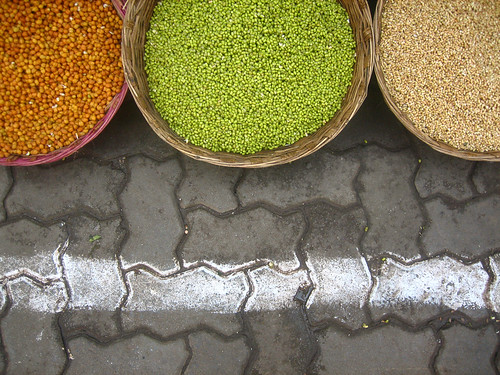
Time to get excited, kids, the UN Food and Agriculture Organization has announced what 2016 is the international year of pulses! Yes, I know it will be massively difficult to beat 2015's International Year of Soils, so foundational, with such a deep profile. (If you're laughing a bit, please continue) But, pulses are an extremely important and yet under appreciated group of crops.

Now when we say pulse, we're not talking about that manifestation of your heartbeat when a doctor checks vital signs. Though, i would probably argue that their health, vigour, and abundance are vital signs of the well being of food and agricultural systems. Agronomically, pulses are annual legumes... That's beans and lentils if we get right down to it. As you might imagine these lil' guys are important, both for feeding the masses and for maintaining healthy agroecosystems. 

Let's start with people. Beans, peas, and other lentils are staple sources of calories and protein in many developing countries. While pulses comprise only about 3% of total calories consumed in developing nations, there is a wide range and they can actually make up close to 50% of protein intake (e.g. Burindi). Because they are cheap and high in protein, percentage of total calories will be much higher among the poor in these countries. And if you take largely vegetarian societies, like those in India, pulses feature prominently in nearly every dish - from lentil daal and lentil-battered pakora to chickpea curries. Plus, let's be honest, pulses are pretty culturally iconic - baked beans? rice and beans? hummus and falafel?
But it's not just about people; pulses are crucial for the health of the planet. For one, as legumes, they have symbiotic bacteria in their roots that fix nitrogen from the air (rather than relying on humans to do that synthetically...). They are often used to improve soil fertility, planted as cover crops and green manures, and help the bioavailability of other soil nutrients while improving water infiltration. What's more, some pulses (e.g. pigeon peas) grow well where few other crops tolerate - in depleted soils and semi-arid climates. Leguminous crop residues help complete a closed looped farming system, providing idea fodder for animals.

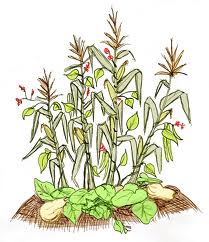
If you look at traditional and indigenous American gardens, you can also get a sense of how well certain pulses integrate into an agroecological system. The three sisters form a multi-story farming system, with squashes at the ground level as a totally killer weed suppressor, maize growing high above, and beans fertilizing the soil and climbing up the golden stalks.

If you happened to have developed a hankering for some pulsey dishes over the course of this blog post, you're in luck. They're a vegan's best friend, so I've got a few for you to give a try.
- Curry Me Pumpkin
- A Practical Pulse
- Rocket Hummus
- Roasted Corn Farrotto
- Frijoles Refritos
- Beanie Butter Blondie

Top photo credit: Meena Kadri

Thursday, May 1, 2014

Frugal Foodie on a British Pound: Taste of India

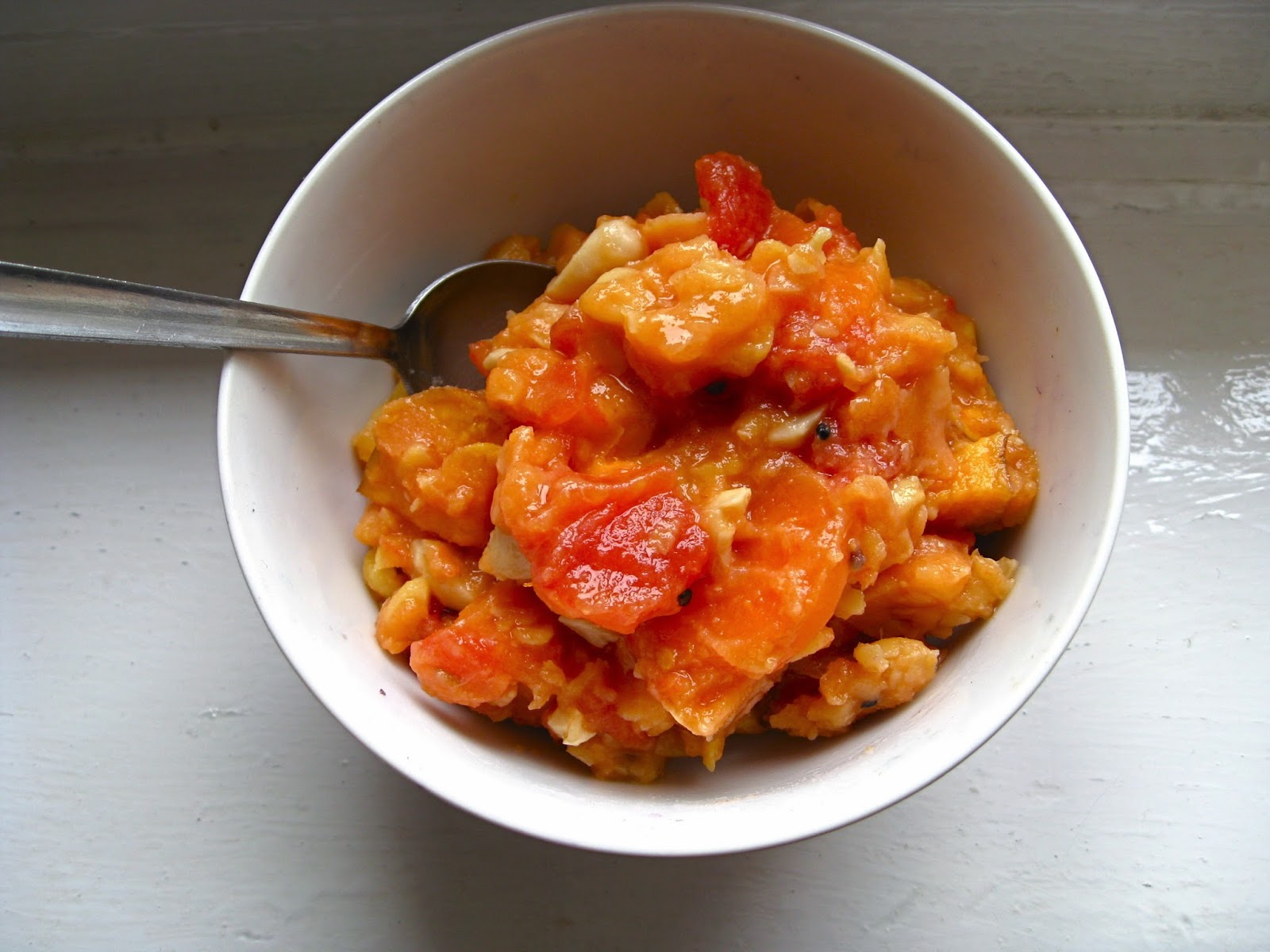
Happy May Day! Apparently, that is a thing here in the UK. Anyway, enough about sunrise celebrations (see my pretty photo!), let's get serious. Curry. This year I got a bit more creative with my barley and pulses, having had quite enough of the former with carrots and the latter, well, with carrots. So, with a few pence, I snagged a can of chopped tomatoes and a few pinches of mixed spices. I figure, if the 'World's Hunger Capital' can subsist off of dhal, why can't I make curry work on poverty line budget?
According to the World Food Programme, almost one third of India's population (a whopping 1.2 billion people) lives on less than $1.25 per day (~£0.75). Trailing on the tail of yesterday's income disparity discussion, it's worth noting that average income has risen considerably in the last couple of decades, and yet the country is fraught with social exclusion and an income chasm. But in spite of this state of affairs, India retains this long and rich tradition of spice use. For example, cumin seed is used to aid digestion. Mustard seeds come in various colors, but also have roles in myth for teaching humility. And Fenugreek is also known for its medicinal uses, particularly in Ayurvedic tradition. On that note...

Curry on a Budget
1 1/2 cups yellow split peas, soaked overnight
2 cups boiling water
1/2 onion, chopped
1 400g can of chopped tomatoes
1 sweet potato, diced
1 carrot, chopped
2 tbs salted peanuts, chopped
1 tbs mixed whole curry spices (e.g. fennel, mustard, and cumin seeds and Fennugrek)
2 tsp salt

1. Place a medium saucepan over medium-high heat, with about a tablespoon of water, and cook the onion and spices covered for about five minutes.
2. Add all the rest of the water and salt, and bring to a boil. Throw in the split peas, sweet potato, and carrots. Cook covered on medium for 15-20 minutes before adding the tomatoes. Leave on the heat for another 5 minutes.
3. Toss in the peanuts, cover, and then reduce heat to low and let sit for a solid 30 minutes. Serve warm over rice or barley. Enjoy!!

Unfortunately, no amount of curry is going to curb the impending climate change impacts that threaten India and many other surrounding nations. But that is definitely for another day...

Monday, October 7, 2013

Frugal Foodie on a British Pound: An Orphan Crop

Quinoa has been the talk of the town for a few years now. It's the vegetarian superfood - a powerhouse of protein and micronutrients, all the while gluten-free. That may be true, but it's not the be-all and end-all of grain-like substances. In fact, during my first brush with the Live Below the Line Challenge, I honed in on millet as a very inexpensive, nutritious, and satisfying staple. However, millet is likely more of an "orphan crop" than its more well-known counterpart, quinoa. Orphan crops are those that generally lack institutional funding in research and development for improving the yield and production practices of crop varieties, or building strong connections with markets and trade.

Millets, another group of small-seeded grasses, is most widely consumed by humans and livestock in developing countries, where 97% of the production takes place. And although the centre of origin for millets is likely situated in Africa, it has been cultivated as a staple in East Asia for the past 10,000 years. What makes millet so enticing, is its ability to grow in poor and infertile soils, and under drought conditions. More recent research programs are exploring the diversity within millet that could help boost nutrition while also weathering some of these impending shifts in growing environment. Though finger and pearled millets are the most common around the world, Proso millet is cultivated in the United States and is likely the variety you will find on your grocery shelves.

Curried Millet Sweet Potato Cakes
1/2 cup cooked millet
1/3 cup brown lentils, dry
1 medium sweet potato, roasted in oven until soft
1/4 yellow onion, chopped
1 small clove garlic, minced
1 tsp curry powder
Salt to taste
2 tsp olive oil, for skillet

1.  Heat 1 tsp of oil in a skillet on medium-high heat. Sautee onions for about 3-5 minutes, until beginning to become translucent, then add in garlic. Pour in 1/2 cup of water and bring to a boil. Add lentils and cook for 15-20 minutes until lentils are soft.
2. Remove skin from sweet potato. In a bowl, mash the potato flesh and lentil mix until pretty smooth. Add in cooked quinoa, curry, and salt and combine until even.
3. Heat remaining oil in a skillet over medium-high heat. Form balls (about 3), flatten, and then place onto skillet when oil is hot. Cook until one side is brown, then flip, for about five minutes on each side.
4. Serve over a bed of greens and enjoy!

See also my Millet and Mung Beans. Check out more scrumptious vegan and gluten-free delights on this Wellness Weekend!

Tuesday, July 2, 2013

What's Cooking? Smoky Staples

I have a lot of food in my kitchen right now. Besides the usual Sunday farmers market haul, there are perhaps unnecessary quantities of lentils, quinoa, polenta, and the like in the pantry. My argument generally is that these dry goods last practically forever in a cool dry place, and it ensures that I will never find myself stranded in the house without at least some form of sustenance. However, I now find myself in a peculiar position of trying to use up all of my staple grain and legume reserves over the summer. Why you ask? Well, come September 8th, I will no longer reside in my humble abode nor the United States more generally (more on this and seasonal produce in later posts)!

This recipe came about a bit by accident. I needed a potluck dish in a pinch, and not failing to disappoint, my lentils and quinoa stores came to my rescue. A little olive oil and salt, and it was all I could do to not consume the entire batch! So in prepping for the week ahead, I made another pot of quinoa and lentils, but this time decided to add in a few more pantry items ... my fave smoked Spanish paprika and nutritional yeast "nootch." Quinoa and lentils are pretty much the bees knees of vegan dishes - high proteins, high fiber, and very tasty. Plus the petite black lentils I ended up add a nice slightly chewy text to complement the creamy quinoa.

Quite Comforting Quinoa
1/4 onion, diced
2/3 cup quinoa, dry
1/2 cup black lentils, dry
2 cups water or vegetable broth
2 tbs good olive oil
1/4 cup nootch (I used flaked)
1 tsp smoked Spanish paprika
Salt to taste

1. Heat 1 tsp of the olive oil in a medium pot. Sautee the onion until starting to become translucent. Then add the water, a pinch of salt, and bring to a boil.
2. Cook quinoa and lentils for about 20-30 minutes until water is consumed and lentils are tender. Remove from heat. 
3. Mix in olive oil, nootch, paprika, and salt to taste. Enjoy immediately with some sauteed garlicky greens or refrigerate for an excellent meal of leftovers.

Catch some other tasty meals (and treats!) on Wellness Weekends :)

Wednesday, April 24, 2013

My Munchable Soapbox: Loving the Lentils

This post has sat in my drafts folder for many weeks now, waiting for the right motivation to hit. In fact, it has languished since the NPR article on lentils came out nearly two months ago. But now, with the Live Below the Line Challenge less than a week away, lentils are very much on my mind. Why does the prospect of subsisting on $1.50 per day conjure up visions of little legumes? Well, lentils happen to provide a whole lot of calories, protein, and fiber for very little cost

Lentils are particularly attractive for the poor and hungry - they are high in protein; don't require much, if any, added fertilizer (they fix their own nitrogen); store easily when dried; and can grow in poor soils and harsh environments. A testament to this, the Consultative Group on International Agricultural Research (CGIAR) estimates that 70% of the lentils produced stay in developing countries. And people have relied on the little lentil for sustenance for over eight millennium!

While there are many ways to cook a lentil, a common thread seems to pervade dishes throughout the world. In Praise of the Humble Lentil begins with an anecdote of a simple lentil-rice dish, Mudardara. Variations of this exist around Mediterranean regions, but also legume+grain dishes are the staple of most people around the globe. Think maize and beans in Latin America. Or cowpeas and sorghum in Africa. Or, mung beans (or lentil dal, yum) and rice in South Asia. Regardless of where you are on the planet, however, this mix of protein and carbs is generally satisfying and nourishing. While not providing the slew of micronutrients that colorful vegetables bestow, it is a critical contributor to feeding a hungry population.

Check back in on Monday to see what's on the menu for the week! And consider contributing to my efforts to raise funds for the Rainforest Foundation.

Photo Credit: ICRISAT

Tuesday, February 26, 2013

What's Cooking? Spicing Things Up

Spices have long had a certain mystique to them. The dried seeds, roots, bark, or fruits of a plant have been used for thousands of years to add flavor, color, and complexity to culinary concoctions. Herbs and spices were sought for medicinal purposes, to cure the bad humors. Used in religious ceremonies and for preservation or embalming, spices made their mark in the historical record. Movement throughout much of the ancient world was due in large part to trade of spices. And during the middle ages, these coveted commodities fetched a grand price on the European market. They inspired conflict and war, and spurred on exploration and an age of discovery around the globe. It's interesting to consider that the now commonplace cinnamon or pepper were once treasured status symbols of civilization.

What I find fascinating about spices, though, is why they have such potent flavors and medicinal properties. According to a Cornell study now a decade and a half old, found that chemical compounds in common spices act as anti-bacterial agents. Not surprisingly, those same chemicals are what ward off pests that threaten the plant's survival. And if you are a proponent of cultural evolution, you can see how taste might be influenced, and more likely to survive to the next generation, in circumstances where cooking used a lot of spice to kill of bacteria in food. In Ayurvedic tradition, herbs and spices are also noted for their impact on digestion and properties that affect the constitution (such as heating and drying). Ginger, cumin, and turmeric all support strong digestion, and pepper and garlic have powerful antibacterial properties.


Good Health Curried Peas
1/2 onion
1/2 shallot
1 tsp mustard seed
2 cloves garlic
1 tbs olive oil
1 tsp sesame oil

1 cup split peas (soaked overnight)
3 cups vegetable stock (or water in a pinch)
1 carrot, chopped
1 parsnip, chopped
1 sweet potato, cubed
1 cup kale, chopped (optional)

2 tsp salt, to taste
2 tsp turmeric
2 tsp curry powder (or additional turmeric, cumin, cayenne,
1 tsp cumin
1 tsp cayenne chili pepper
1 tsp fresh ginger, grated

1. Heat oils in a sauce pan over medium heat. Saute onion and shallot, with mustard seed, until translucent, about 5 minutes, and then add garlic.
2. Pour in water and bring to a boil. Add split peas and allow to cook for about 15 minutes. Continue to cook another 10 minutes with carrot, parsnip, and sweet potato. 
3. Conclude by adding in the array of spices, adjusting accordingly for your taste, but don't be shy! Allow to simmer another 15-20 minutes. Serve in a bowl as soup, or reduce the amount of liquid by 3/4 cup and serve with rice.

Mmm, tasty and fortifying! Find more culinary marvels on Slightly Indulgent Tuesdays and Wellness Weekends.

Photo credits: Riyaad Minty (top); Colin Houston (bottom)

Sunday, November 18, 2012

What's Cooking? A Smoky Soup

Thanksgiving is this week. Some of you may know that this is my favorite holiday. Why, you might ask? Well, as I've voiced before (and you should really go read this, because it's pretty good!), Thanksgiving is the quintessential American harvest holiday. It celebrates everything a locavore loves - the season's best in edibles. It's a holiday where we can cease lamenting the lack of summer fruits or the spring weather, and can appreciate the beauty of late fall, when the weather becomes crisp and the leaves have just fallen. If at no other time, this is the perfect point in the year to be mindful of your food choices, giving thanks back to both those who spend their lives growing your food and to the environment that has an amazing resilience in supporting our agriculture.

For me, Thanksgiving also has another significance. It marks my 'vegeversary' (sure, why not?). This year, I hit my thirteenth year without meat. Yes, half my life now. And similarly, it is the fifth year mark of an on-again/off-again vegan lifestyle. Because food and diet are such a large part of my life, this time of year becomes extraordinarily contemplative. I've spent many a blog post musing on why veg, and how eating mindfully is a way to advance my own life of living with a smaller ecological footprint. But I also think that this presents an unparalleled opportunity to be adventurous, to try something new, and to spice up any old favorites. With my usual stock of winter squashes, some beet tops, a stash of lentils in the cupboard, and a sudden turn of weather, there has really been only one food group on my mind...

Smoky Squash Soup
1 medium butternut squash, seeded and quartered
1/2 onion, coarse chop
3 cups vegetable broth
2/3 cup red lentils
1 cup chard or beet greens (optional)
1/2 tsp Spanish smoked paprika
Salt to taste

1. Roast squash and onion in an oiled (olive, please) pan at 375F, for about 35-45 minutes until very soft. Flip halfway through roasting period. 
2. Meanwhile, heat vegetable broth until boil. Lower to medium and add lentils. Cook until soft and then turn off the stove.
3. Once squash is cooked, remove from oven, scoop insides into the pan with broth and lentils. Add onions, beet greens (optional), salt, and paprika. Puree until smooth with an immersion blender, or use a food processor/blender.
4. Serve warm with homemade croutons!

Find other comforting and healthy treats on Wellness Weekend.

Saturday, April 28, 2012

Ivory White and a Protein Practicum


Lately, the question of how I get adequate protein in my diet seems to be a topic of interest. I have to explain that tofu is not the only thing that supplies this important nutrient...or rather, combination of essential amino acids. While soy and quinoa have the complete complement of the eight essential amino acids our bodies cannot synthsize, there are many other plant-based sources that can contribute to an overall balanced diet. For example, grains are low in lysine, while legumes often lack methionine. One can understand this and see the wisdom behind cropping systems, such as the "three sisters" - maize, beans, and squash - that is practiced in Mexico. Not only does this type of intercropping support better agroecosystem health, but it also provides the necessary building blocks for a human existence, particularly where animal products were reserved for certain times of the year or for special occasions.

In fact, I prefer lentils and beans as a protein source over tofu (which is highly processed). While you don't need to pair foods in one meal to ensure that all amino acids are present, it comes naturally when planning meals around both a grain and a legume. I decided to try these lovely ivory white lentils I picked up in the bulk bins. White lentils, the skinned black lentils or Urad Dal, are one of the most highly prize pulses is India. Their use dates back thousands of years, so ancient people must have been onto something! Lentils and maize aren't it...check out more vegan protein sources.

Spring-style Lentils
1/2 cup ivory lentils
1 cup water
Basil and salt to taste
2 small green garlics
5-6 asparagus stems

1. Bring water to a boil. Add lentils and cook until beginning to soften. Throw in the chopped green garlic and allow to continue cooking until liquid gone/desired texture reached.
2. Meanwhile, roast asparagus spears on a 375F oven until soft (and all yummy and caramelly...). Chop up, and mix in with lentils along with salt and basil (dried or fresh) to taste.
3. Serve along with polenta (either premade, sliced, and heated in a skillet, or prepared at home) and some nice rich tomato sauce ... perhaps the remnants of last year's canning adventure...

More healthy dishes on Wellness Weekends!

Monday, January 9, 2012

What's Cooking? Lickity Split

Remember how when you were little there were foods you didn't want to see, smell, or even know existed? Like those brussel sprouts your mother would steam and serve, or that unappetizing blog of green jell-o with celery, cranberries and walnuts inside ("shape" as they call it in Britain...). Well, split pea soup is what comes to my mind when I think of foods kids wouldn't want to consume, let alone be seen anywhere near. No no, I did not have a traumatic experience with the green mush as a child. In fact, I do not recall a single time in which my mother served it to us.

I believe my first encounter with the split pea was in high school in the form of Amy's Organic soup, after my vegetarian reformation. Now, years later, I've come to realize the beauty of the legume. It is low in fat, high in protein and fiber, and dirt cheap. Yup, green split peas are probably the cheapest dried bean to get in bulk. They also date back to ancient times, bearing mention in the bible and cropping up in archaeological sites. So if you want an ancient protein to go with your ancient grain, try out split peas!

Split Pea Stew
1/2 cup wheat berries, soaked overnight and cooked
1/2 cup green split peas (soaked overnight - optional)
1/2 onion, chopped
1 medium carrot, chopped
2/3 cup vegetable stock (or just water)
15-16oz jar or can of tomatoes
2 tsp curry powder
1 tsp cumin
1 tsp paprika
1 tsp olive oil
salt to taste

1. Saute onions and oil in a medium-high skillet until beginning to become translucent.
2. Pour in water/stock and bring to a boil. Add split peas and carrots, cooking until peas are almost fork tender.
3. Combine tomatoes, spices, and salt, cooking until excess liquid has boiled away. Serve over wheat berries!

I just barely sneaked this one into Wellness Weekends, though sadly without a photograph!
For a vegetarian twist on the classic split pea soup, check out 101 Cookbooks.

Tuesday, May 25, 2010

A Spicy Quickie

Wow, having a job, even one that is part-time, eats up time like Cookie Monster (used to) eat cookies! Well, it's probably a good thing for my blog that the one thing I want to do when I get home is cook. Posting is another matter, hence this here last minute one.

I decided I wanted back in as a Bread Baking Buddy, so this month I took on Tunisian Spicy Bread! Dinner Sunday night consisted of Thai Curry Lentil filled pastry - make dough first!

Dough:
6 g active dry yeast
290 g semolina flour
4-6 g salt (to taste)
11 ml olive oil, plus extra for brushing
125 ml warm water
1 tbs tapioca starch

1. Mix flour, yeast, starch, and salt. Add liquids and combine. Knead for 10 minutes or until getting difficult to knead.
2. Cover and rest for 20 minutes.
3. Separate into two balls. Let rest while you make the filling.

Filling:
1/2 cup cooked brown lentils
2 tbs Thai red curry paste
1/2 onion
1/2 red pepper
8-10 mushrooms
splash of marsala wine
oil for the pan
salt to taste
A few sprinkles of garlic powder

1. Saute onion in skillet using a mild-flavored oil, until translucent.
2. Add diced red pepper, sliced mushrooms, and marsala. When mushrooms are soft, add curry paste, garlic and salt to taste.
3. Mix in lentils (well-cooked) right before filling.
4. Roll out dough to less than 1/4" thickness. Cut circles and fill with lentil mix (a couple tablespoons for 4" diameter). Seal with a little water and fork print. Brush with olive oil and sprinkle with salt.
5. Bake at 400F for 12-15 minutes until starting to brown. Eat warm with some mango chutney!

Ok kids, that's all I got in me. Next up, DB on Thursday...better get making those cream puffs!

Thursday, January 28, 2010

Hippie-chic and Yogic-decadence

I am a notoriously cheap date. I don't care much for fancy restaurants, I am a small person who eats in moderation, and I can't drink more than a half a glass of wine without feeling tipsy. But last night I splurged (well, my mother did), and dined finely at Sutra in Seattle. This all vegan, mostly local and seasonal, pre-fixe menu changes on a weekly base, providing a new and eclectic assortment of flavors for what appeared to be a very loyal customer base. On this crisp January eve, my mother and I headed over to the one Wednesday seating at 7 pm.

The meal began with a gong toll and an offering of thanks. I felt like I was in my morning yoga session ... or the studio next door operated by Sutra's owner. Our first course warmed my chilled bones and played to my sweet tooth - winter squash + apples + candied seeds = happiness.

First Course: Kaffir Lime, Butternut Squash Soup with a Honey Crisp-Olympic Asian Pear-Daikon-Pea Chute Salad with a Miso Ginger Dressing and Candied Sunflower Seeds

Small baby-bean-like white lentils with a deliciously smokey taste captured my attention in the second course. But, the black trumpet and hedgehog mushrooms I had salivated over (not literally) at the farmer's market, stole the show with their subtle balsamic sweetness.


Second Course: Roasted Yellow Beet, House Smoked White Lentil Cake served with Balsamic Infused Trumpet and Hedgehog Mushrooms finished with Tarragon Truffle Oil

Unfortunately, the meal took a downward turn after this scrumptious dish. The greens were over-salted, the garlic and cashew cream tasted reminiscent of soap, and the gnocchi just didn't do it for me. I liked the roasted carrots, though.

Third Course: Yukon Gold, Black Sesame Seed Gnocchis with Steamed Rainbow Chard, Roasted Garlic and Tri-Colored Carrots finished with a Leek-Marjoram-Cashew Cream Sauce

Dessert was also underwhelming, but better than the main course. "Where's the chocolate?" best describes this mousse pie. While the crust was fantastic and the blackberry sauce tickled my palate, the avocado cream pie lacked the decadent chocolate flavor that I often dream about. I am no stranger to chocolate avocado pie, and this one just didn't live up to my high standards. Next time, Sutra, just give me the Theo Chocolate bar!

Fourth Course: Theo’s Chocolate Avocado Ice Cream Torte with a Pistachio Date Crust finished with Wild Foraged Blackberry-Vanilla Bean Sauce

Overall, it was a tasty evening with my favorite ethical bent. Was it worth $33 + tax + tip person? Probably not. Would I go back if the menu looked particularly tasty? Probably yes. I mean, their hearts are in the right place and they have a backyard garden!